10 Classic Italian Films to Watch Before Vogue World: Milano
Italian cinema is widely considered the foundation of modern filmmaking. As renowned filmmaker and historian Martin Scorsese noted, mid-20th-century Italian directors like Roberto Rossellini "changed what the world thinks of cinema." Emerging from the devastation of World War II, a diverse group of critics, poets, and playwrights-turned-filmmakers from across Italy forged a new cinematic language from the ruins.
Pioneering directors such as Rossellini, Vittorio De Sica, and Luchino Visconti, who had previously worked under the fascist regime, harnessed the country's shattered landscapes and widespread poverty to create a vivid, documentary-style neorealism. Their focus was on the "paesano" (countryman) and "paese" (country), capturing the essence of everyday Italian life. However, Rossellini and Visconti, the latter drawing from aristocratic theater and opera traditions, also explored melodrama, historical epics, and more expressionistic genres.
Under their influence, former neorealists like Michelangelo Antonioni and Federico Fellini broadened the scope of European art cinema. They delved into middle and upper-class dramas, dark comedies, satire, surrealism, psychogeography, baroque literature, and moral fables, illustrating Italy's remarkable industrial growth and burgeoning culture industry by the early 1960s. Simultaneously, genre directors such as Sergio Leone, Elio Petri, and Dario Argento crafted distinctively Italian interpretations of Westerns, political thrillers, police procedurals, suspense, and horror films during the turbulent countercultural period from the late 1960s onwards. These new Italian cinematic contributions transcended national borders, inspiring new generations of filmmakers and audiences globally.
In anticipation of Vogue World: Milano's tribute to Italian craftsmanship and innovation, we present a curated selection of Italy's most iconic films and the directors – some celebrated, others more obscure – who redefined the nation's landscape and people through the art of cinema.
Bicycle Thieves (a.k.a. The Bicycle Thief)/Ladri di biciclette (1948)
Fresh materials — Combat Sports News
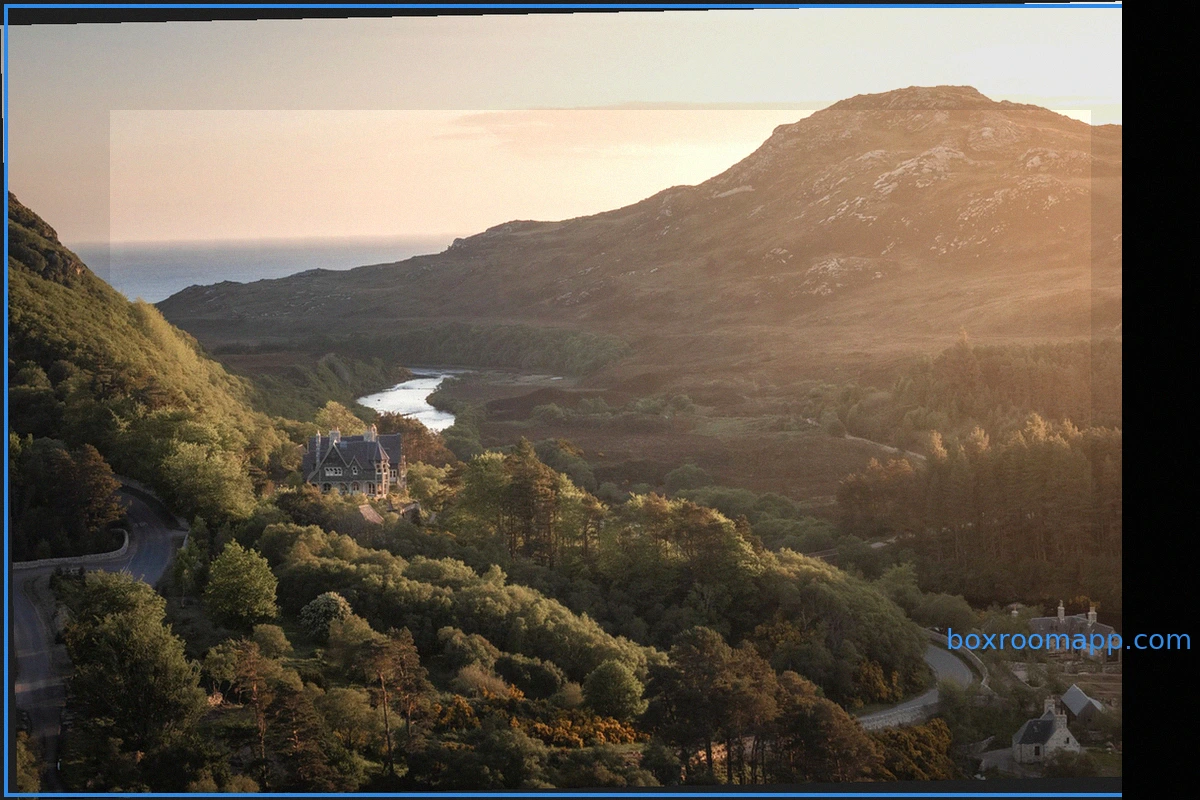
Stylish New Scottish Highlands Retreat: A Tribute to Nature
The allure of the Scottish Highlands, much like many British traditions, has historical ties to the monarchy. In the harsh winter of 1848, Queen Victoria and Prince Albert, captivated by the "wild loveliness" of Aberdeenshire, secured a lease on Balmoral. This event propelled the remot
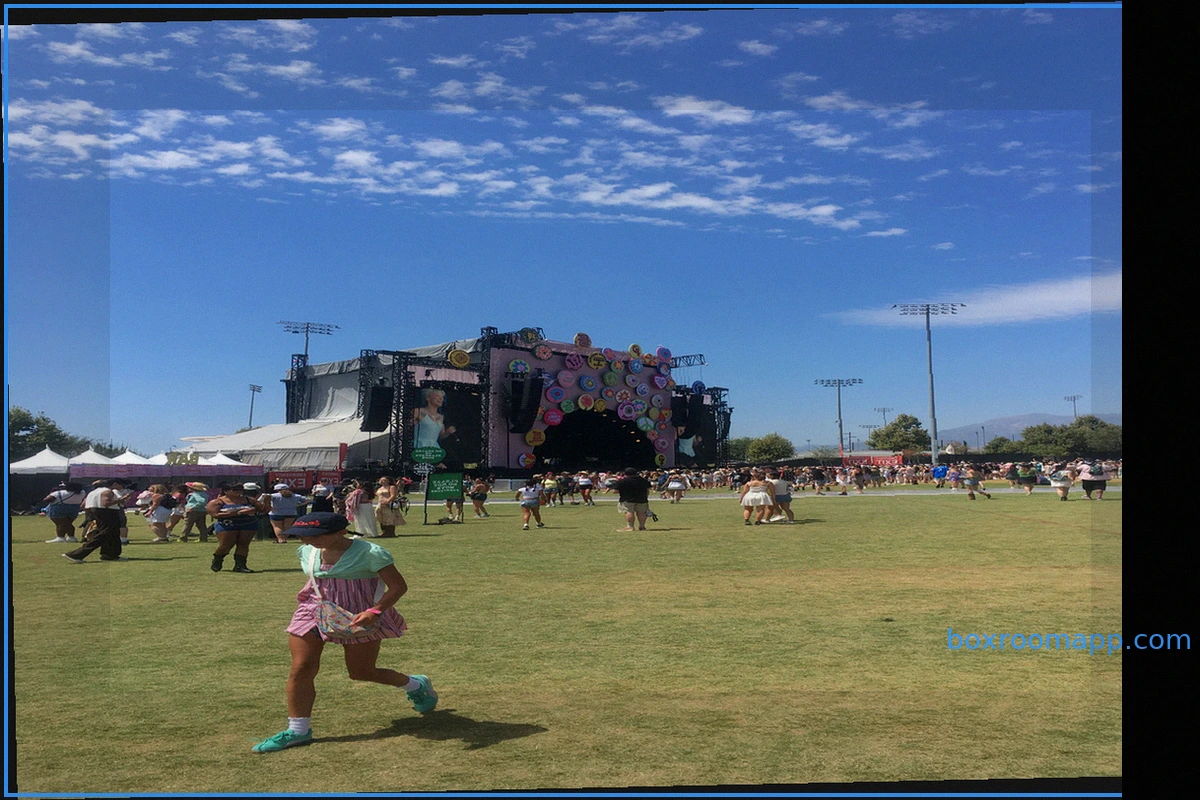
Girlhood Flourishes at Olivia Rodrigo's Daisy Chain Festival
Within moments of arriving at Daisy Chain Fields, the festival's spirit was palpable. Thousands of attendees gathered, creating an electrifying atmosphere despite the sweltering heat exceeding 103 degrees. The festival's inherently positive nature, coupled with its charitable m
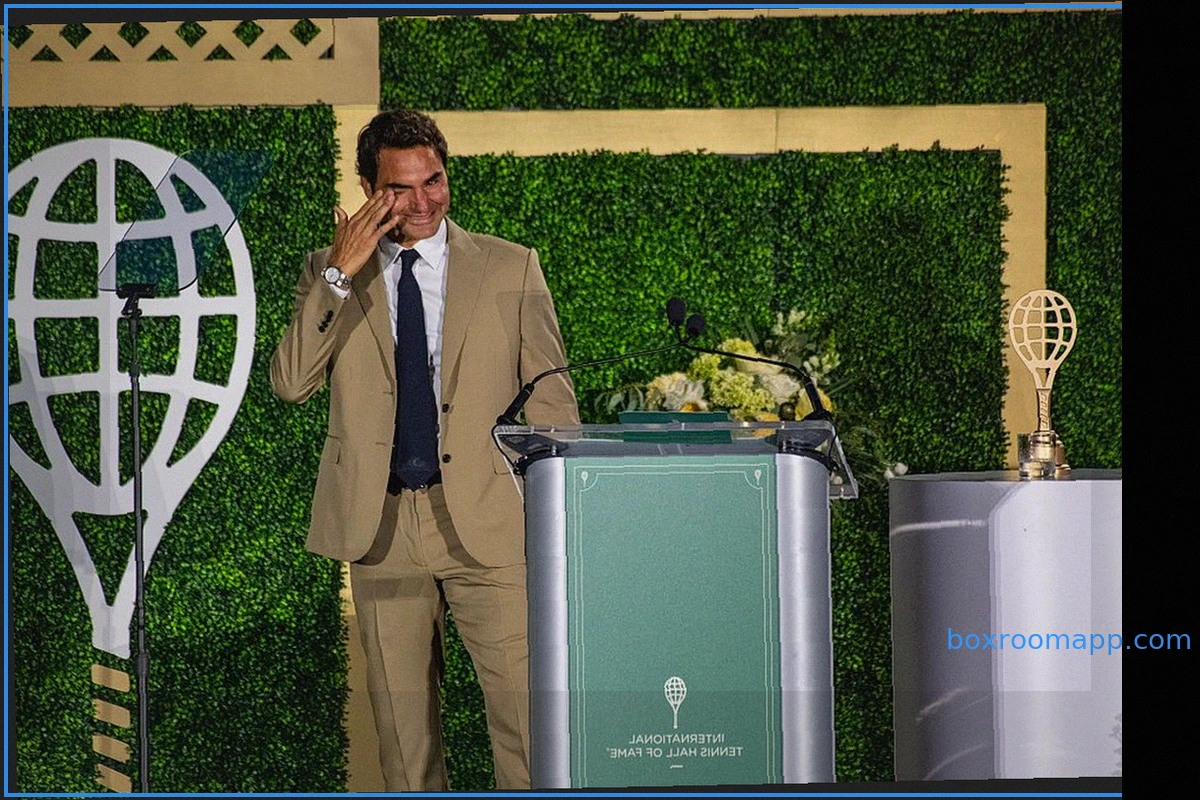
Roger Federer's Induction into the International Tennis Hall of Fame in Newport
The induction of Roger Federer into the International Tennis Hall of Fame (ITHF) in Newport, Rhode Island, was a highly anticipated event, marked by significant fanfare and emotion. Federer, alongside former professional player and broadcaster Mary Carillo, was recognized for his unpa
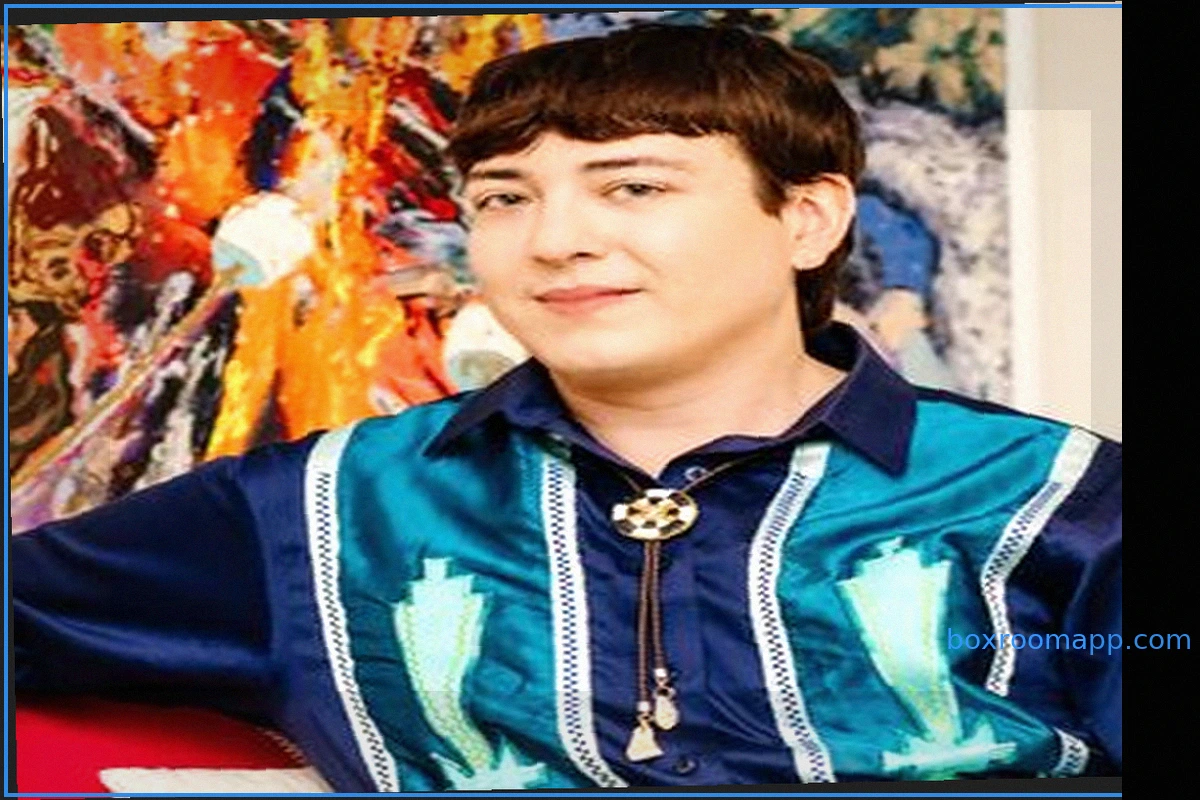
Stars Showcase a Spectrum of Style: From Sleek Minimalism to Theatrical Maximalism
As August draws to a close, many stars are still holding onto the spirit of summer. This week, the fashion landscape was a fascinating blend of opposing styles, with celebrities divided between understated minimalism and bold, theatrical maximalism. On the minimalist side, mod
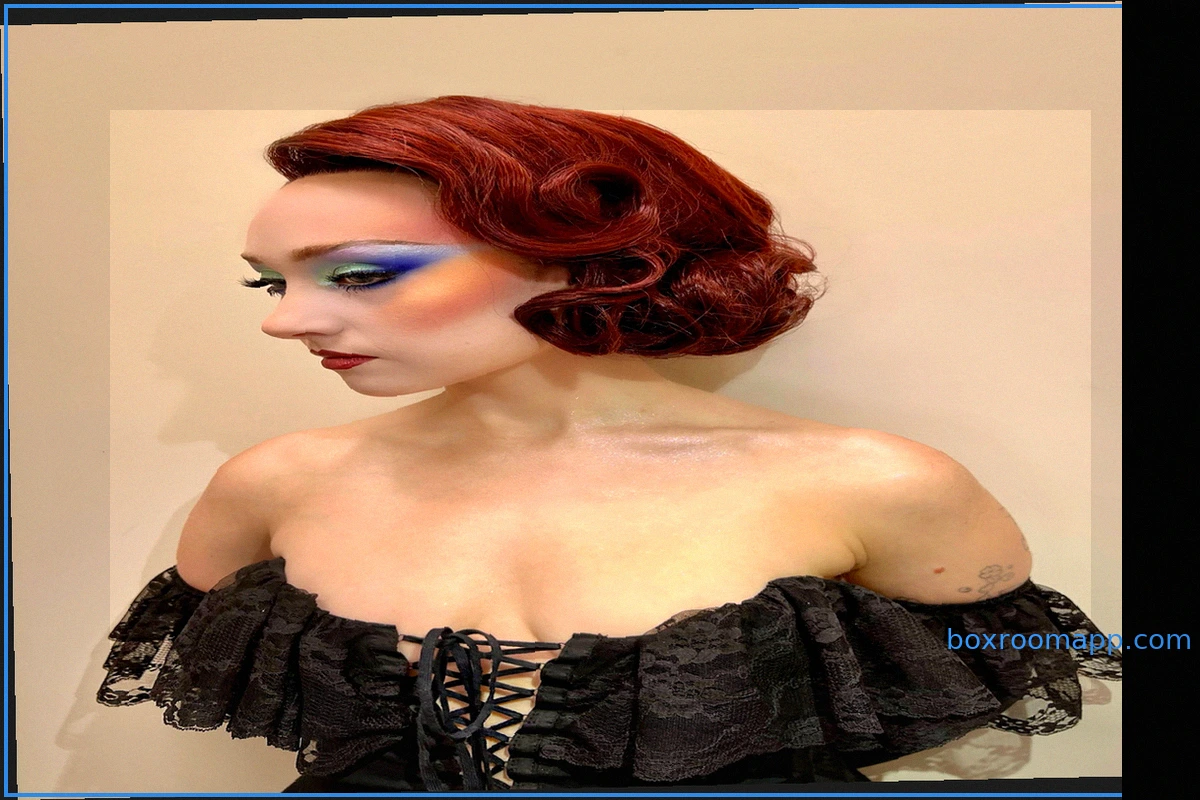
Chappell Roan Embodies Her Truest Self as Bob-ell Roan
Chappell Roan's go-to makeup artist, Dee Carrion, is responsible for her captivating looks, having also styled fellow performer Doechii. Carrion masterfully applied a soft purple blush, emphasizing Roan's features and deepening towards her spiky-lashed, sharply defined eyes and temples
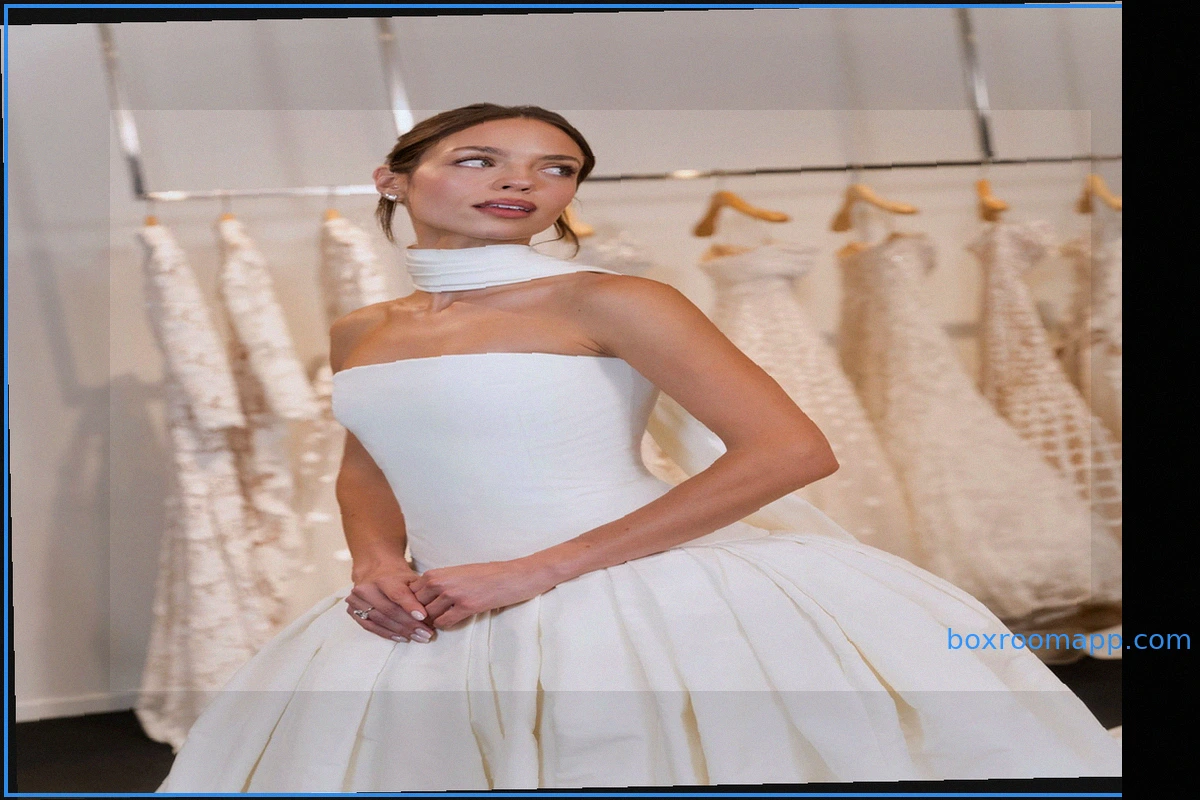
Claudia Sulewski and Finneas Tie the Knot! A Glimpse Inside the Bride's Oscar de la Renta Final Fitting
The moment has arrived to unveil Claudia's dazzling after-party ensemble, inspired by Oscar de la Renta's vibrant early 2000s collection, famously showcased by models like Gisele Bündchen. "The boat neck felt so fresh and different to the rest of the looks—and we made it pink!" Claudia