

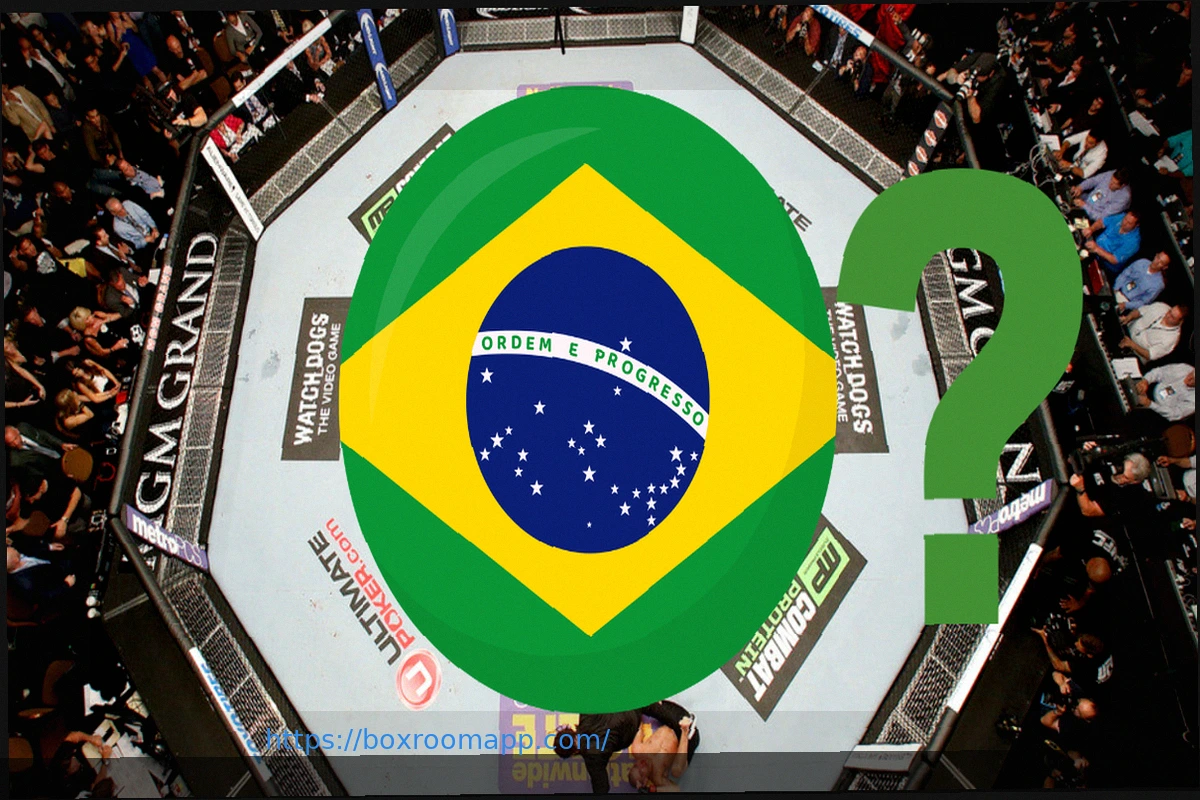
Is the UFC coming to Brazil? For 2026, the answer appears to be no. Reporter Guilherme Cruz indicates that the promotion currently has no plans to host an event in Brazil next year, even after a highly successful UFC Rio card headlined by Charles Oliveira in late 2025. The core issue, as reported, is financial: Brazil is not meeting the company’s expectations regarding ticket sales, pay-per-view revenue, and government support.
Cruz’s reporting highlights that the UFC has “no plans for a card in Brazil in 2026,” emphasizing that while the situation could evolve, financial considerations are the primary barrier. A look at the initial 2026 schedule confirms this, with events planned for Las Vegas, Newark, Houston, Mexico City, and Macau in the first half of the year, but conspicuously none scheduled for any Brazilian city. This absence is particularly notable for a nation that historically hosted multiple UFC events annually.
This decision comes despite a strong showing for the brand in Rio de Janeiro in October 2025. Charles “Do Bronx” Oliveira delivered a dominant performance, submitting Mateusz Gamrot in the main event at Farmasi Arena. This victory extended his undefeated streak on home soil and further cemented his records for most finishes, submissions, and performance bonuses in UFC history. That event featured eight wins for Brazilian fighters, a boisterous crowd, and Oliveira’s win was celebrated as a significant redemptive moment, delighting fans.
Despite the vibrant atmosphere, the economic realities of the Brazilian market pose significant challenges. Lightweight contender Renato Moicano explained on his show that Brazilian fans typically pay around 25 reais (approximately 5 US dollars) monthly for Fight Pass, which grants access to all UFC events, including pay-per-views. This subscription model means Brazil does not operate as a traditional pay-per-view market, heavily impacting the UFC’s potential revenue from this stream. Moicano further suggested that the local economy and a weaker currency make it difficult to sell higher-priced tickets and products. He pointed to lower ticket revenues in Brazilian arenas, arguing that without substantial pay-per-view income or high gate figures, the financial viability of hosting events becomes strained.
Conversely, other regions are actively funding UFC events. Public records and reports concerning a recent card in Singapore revealed that the UFC received a multi-million dollar site fee from a local tourism board. This exemplifies the “you want a card, you pay us” model frequently described by fans and analysts. When governments or local partners subsidize costs, the promotion secures guaranteed income before a single ticket is sold. According to Cruz, Brazil is currently not providing comparable governmental incentives.
This shift impacts a country that was instrumental in building the UFC’s global reputation. The promotion first held “UFC Brazil” in São Paulo in 1998, featuring legends like Vitor Belfort, Wanderlei Silva, Frank Shamrock, and Pedro Rizzo. In subsequent decades, Brazil hosted landmark events such as UFC 198 in Curitiba, which attracted over 45,000 fans to Arena da Baixada, and UFC 237 in Rio, where Jessica Andrade won the strawweight title before more than 15,000 spectators.
Brazil’s influence on MMA and the UFC is fundamental. The pioneering challenges by the Gracie family in Brazil established the technical and cultural bedrock that directly led to the launch of the UFC and the global rise of Brazilian jiu-jitsu. By the time the promotion brought “UFC Brazil: Ultimate Brazil” to São Paulo in 1998, with stars like Vitor Belfort and Pedro Rizzo, the nation was already recognized as a spiritual home for the sport. This status only intensified during the eras of iconic champions such as Anderson Silva, José Aldo, Wanderlei Silva, Amanda Nunes, Mauricio “Shogun” Rua, Alex Pereira, and Charles Oliveira, who consistently kept Brazil at the forefront of the title landscape for many years.
From the 1960s through the early 1990s, “Vale Tudo” (anything goes) fights in Rio and other Brazilian cities served as a fierce battleground for rivalries between Brazilian jiu-jitsu and Luta Livre camps. These intense clashes often blurred the lines between official competitions and street confrontations, with challenges taking place in gyms, on beaches, and in smaller venues.
While reporter Cruz acknowledged that a late change is possible if financial conditions and incentives improve, the current message for 2026 is clear: the UFC is directing its calendar away from Brazil and towards markets offering greater financial guarantees and more lucrative broadcast deals. For devoted Brazilian fans and acclaimed fighters like Oliveira, who can effortlessly pack an arena at home, the implication is unambiguous: the UFC will not be returning to Brazil for now.