

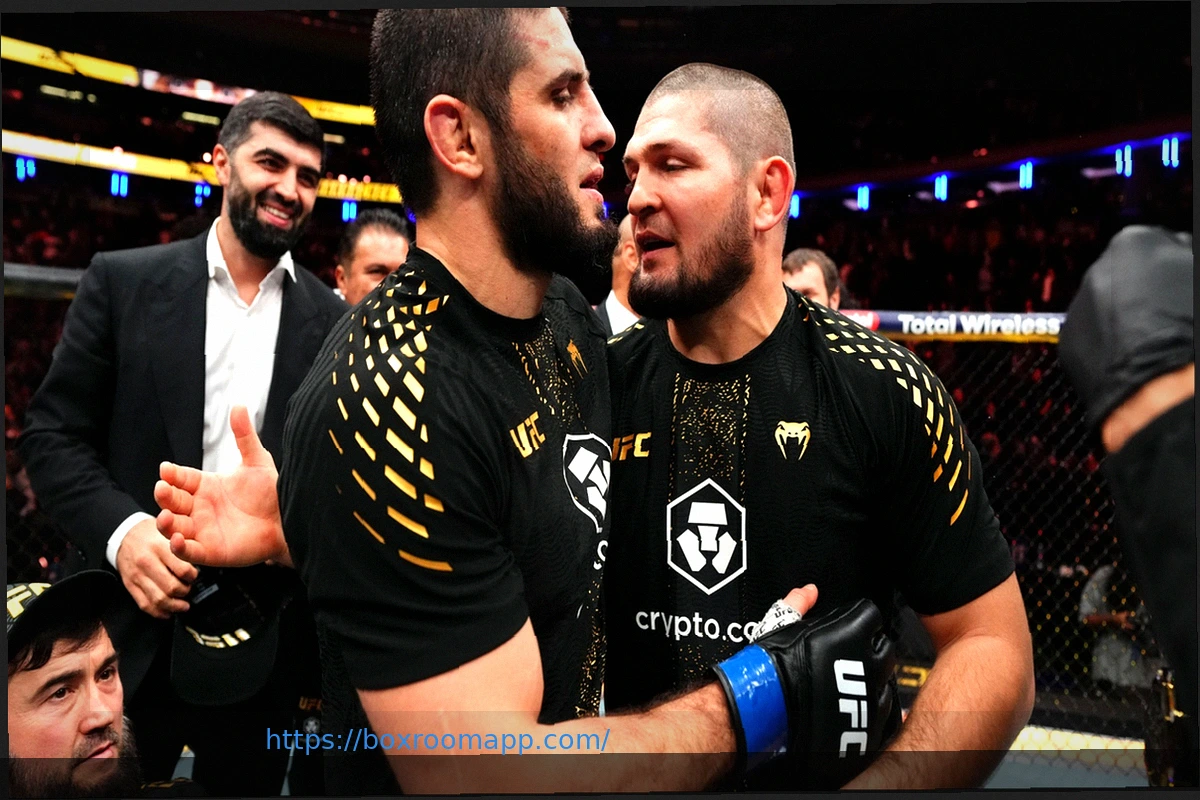
The contentious issue of fighter compensation within the Ultimate Fighting Championship (UFC) has ignited fresh debate, as a prominent figure from the promotion has openly criticized two of its most influential athletes, Khabib Nurmagomedov and Islam Makhachev. The condemnation specifically targets their apparent silence on a matter profoundly affecting the livelihoods of countless fighters across the roster.
During a recent public address, the unnamed but outspoken UFC star voiced considerable frustration, emphasizing the moral imperative for elite athletes, especially those wielding the vast platform and considerable influence of Khabib and Makhachev, to champion crucial causes. “When you’ve scaled the heights they have, silence isn’t merely an oversight when it comes to something as fundamental as fighter compensation,” the star asserted. “Every fighter grappling with financial precarity looks to champions of their caliber, and their vocal support – or its absence – resonates with immense significance.”
The long-standing debate surrounding fighter pay has been a hotbed of contention for years. Many athletes consistently argue that they receive an unfairly diminutive share of the UFC’s colossal revenues. Detractors frequently highlight the stark discrepancy between the multi-billion-dollar valuation of the company and the comparatively modest purses secured by numerous fighters, particularly those operating outside the lucrative main event landscape. Consequently, calls for collective bargaining or a more equitable revenue distribution are common refrains within the combat sports fraternity.
Khabib Nurmagomedov, a legendary undefeated former lightweight champion now revered as a highly successful coach and promoter, alongside his protégé and reigning lightweight king Islam Makhachev, command unparalleled respect and boast an enormous global fanbase, especially within the Muslim world and Eastern Europe. Their perceived lack of engagement on the fighter pay crisis, according to their critic, represents a significant squandered opportunity to harness their formidable power for the collective welfare of their peers. While both have largely refrained from extensive public commentary on the UFC’s financial architecture, their public discourse has predominantly centered on athletic excellence and adherence to religious tenets.
This latest public challenge unmistakably highlights the increasing expectation for high-profile fighters to actively engage with socio-economic disparities within their sport. It not only intensifies scrutiny on the UFC’s business methodologies but also underscores the inherent responsibility of its most luminous stars to advocate for their fellow athletes, thereby propelling further discourse on the very definition of leadership within the combat sports domain.