

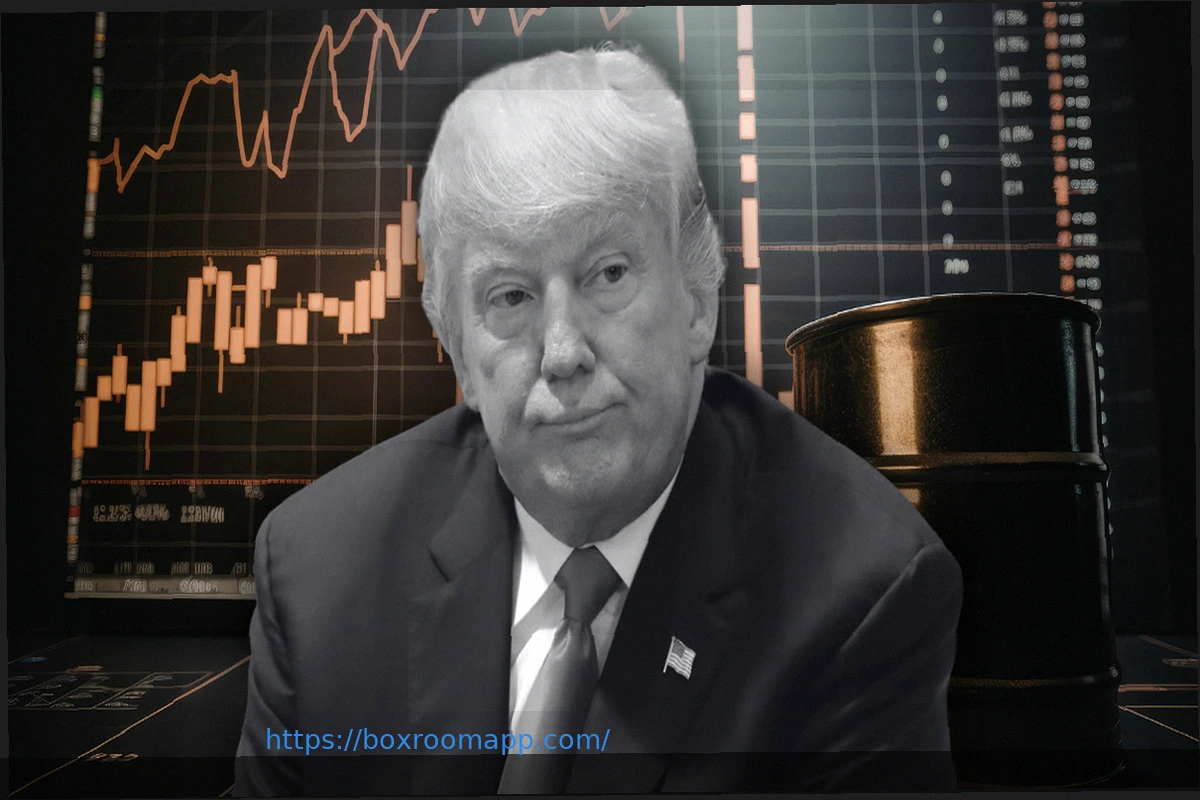
The “TACO Trump” Effect on Markets Amidst War with Iran
Amidst the escalating conflict between the US and Iran and the volatile oil market, traders are once again turning to the “TACO Trump” concept, questioning its applicability in current conditions. Meanwhile, UFC head Dana White asserts that the Middle East conflict will not affect the promotion’s upcoming shows in the region.
The “TACO” concept (Trump Always Chickens Out) originated on Wall Street as a strategy to buy assets after Trump’s strong statements, assuming he would later soften his stance and markets would recover. This pattern was observed, for example, during trade wars when Trump imposed significant tariffs and then partially reversed them after market sell-offs.
Iran, Oil, and Market Volatility
However, the current conflict with Iran shifts this concept into a much riskier domain. Following US and Israeli strikes on Iranian targets in 2025-2026, Iran responded with attacks on American bases, Gulf allies, and Israel. These clashes have disrupted shipping in the Strait of Hormuz and caused anxiety in energy markets. Experts warn that any escalation could lead to reduced oil supplies and harm the global economy. Strategists believe that applying “TACO” assumptions in the midst of an actual war is far more dangerous than during tariff disputes, as damage to infrastructure and shipping cannot be reversed by a single statement.
Nevertheless, Trump has begun sending mixed signals that can be interpreted through the “TACO” lens. He claimed the Iranian army was “100% destroyed,” suggested Tehran desires talks, and hinted at a possible “winding down” of the campaign, though Iranian officials publicly deny seeking a ceasefire. Reports of Washington’s readiness to discuss a ceasefire, a shift from its previous stance, raise questions for investors: Is the White House preparing for another pivot that could lower oil prices and support risk assets, or are these merely tactical statements amid an ongoing conflict?
Stock Market Reactions
S&P 500 futures fell today due to concerns that the Iranian conflict could be prolonged and more destabilizing, despite sharp fluctuations in oil prices following Trump’s comments on potential ceasefire talks. As of March 23, S&P 500 E-mini futures dropped approximately 0.6%, with similar percentage declines in Dow and Nasdaq 100 futures. This occurred amid threats from Iran’s Islamic Revolutionary Guard Corps to target Israeli infrastructure and US support facilities in the Gulf if Trump follows through on threats to “obliterate” Iran’s energy network, forcing traders to re-evaluate expectations for Federal Reserve interest rate cuts this year.
Trump’s recent shift in rhetoric, stepping back from immediate strikes on Iranian energy infrastructure and hinting at ceasefire talks, triggered a sudden 11-14% drop in crude prices as traders briefly bet on de-escalation. However, with no confirmed agreements and Iran denying direct contact with Washington, S&P 500 futures remain under pressure, balancing short-term relief from cheaper oil with fears that a breakdown in talks could send both crude and volatility sharply higher again.
UFC and Middle East Plans
Meanwhile, the world of combat sports is feeling the political tension in its own way. At UFC London, promotion head Dana White was pressed on whether the Iran conflict could impact UFC’s Middle East schedule. White emphatically said “no,” confirming that planned shows in Baku, Azerbaijan, in June and Abu Dhabi, UAE, in July remain on the calendar, despite regional security concerns and recent drone activity. White believes that public opinion has little influence on US military decisions, and his stance reflects this view: business continues while governments and markets react to the war.
For fighters and fans in the region, these events are highly significant. UFC tournaments in Baku and Abu Dhabi offer valuable opportunities for athletes from Eastern Europe, the Caucasus, and the Arab world to improve rankings, secure bonuses, and expand their fan base. If the Iran conflict escalates or oil-driven volatility leads to travel and security restrictions, these opportunities could be delayed, even if the “TACO” theory ultimately proves correct regarding Trump.
UFC White House Show: Risks and Optics
The conflict with Iran has not canceled the planned UFC White House show, but it has turned it into a politically sensitive topic and a security headache, as highlighted by Joe Rogan and others. The “UFC Freedom 250” event, featuring six fights, is scheduled for June 14, 2026, on the South Lawn of the White House as part of America’s 250th anniversary and Donald Trump’s 80th birthday.
Following US and Israeli strikes on Iran and subsequent retaliatory attacks, many question whether holding such a high-profile event at the presidential residence creates an unnecessary target. Joe Rogan expressed concern on his podcast, calling the idea of holding a UFC show at the White House “very high security and high stress and weird” “in the middle of a f***ing war,” fearing the event could become a symbolic bullseye. For now, the war’s practical impact is less about logistics and more about optics and risks. UFC and the Trump administration have kept the date and location unchanged, with reports suggesting the president is personally involved in ticket requests and promotion, despite the ongoing conflict. If the Iranian conflict escalates or oil-driven volatility leads to travel and security restrictions, these opportunities could be delayed, even if the “TACO” theory ultimately proves correct about Trump.