AI Boxing Judges: Revolutionizing Fairness or a Technological Gamble?
The recent controversy surrounding England's Dimeji Shittu's Commonwealth Games final match has ignited a crucial discussion: could artificial intelligence be the key to achieving fairer judging in boxing? Commentators voiced strong opinions, alleging that Shittu was "robbed" of victory, highlighting the persistent issue of subjective and potentially biased human officiating in the sport.
This incident prompts a deeper look into the feasibility and potential benefits of employing AI judges. Proponents argue that AI systems, devoid of human emotion, personal bias, or external pressure, could offer a more objective and consistent evaluation of a fight. Algorithms could be programmed to meticulously track punches landed, defensive maneuvers, ring generalship, and other quantifiable aspects of boxing, providing data-driven scores that minimize the impact of subjective interpretation.
However, the introduction of AI into boxing judging is not without its challenges. Critics raise concerns about the definition of "effective" boxing. Can an algorithm truly comprehend the nuances of a boxer's strategy, the psychological impact of a powerful punch, or the subtle art of defense in the same way a seasoned human judge can? There's also the question of programming the AI itself – who defines the parameters of success, and what if those parameters inadvertently favor certain fighting styles over others?
Ultimately, the debate over AI boxing judges is a complex one, touching upon the very essence of what we deem fair and skillful in the sport. While the prospect of eliminating controversial decisions is appealing, the integration of artificial intelligence will require careful consideration, rigorous testing, and a thorough understanding of both its potential and its limitations.
Fresh materials — Boxing
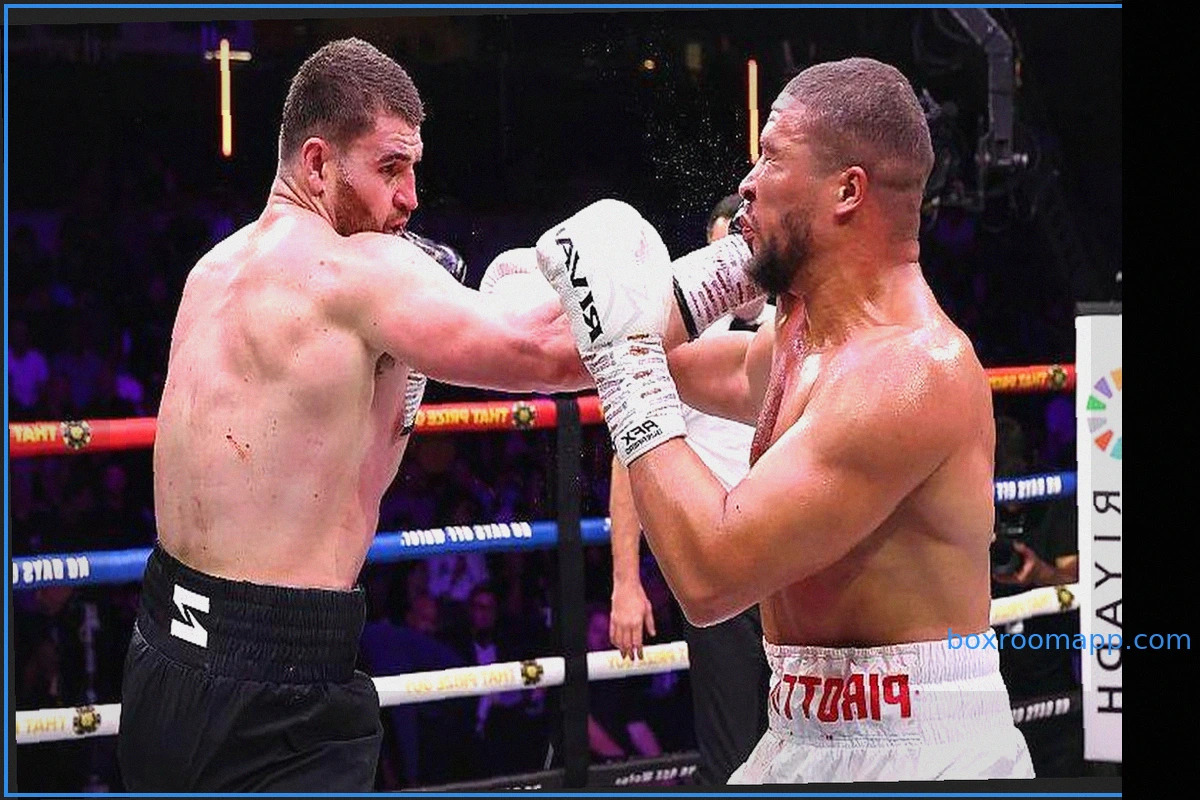
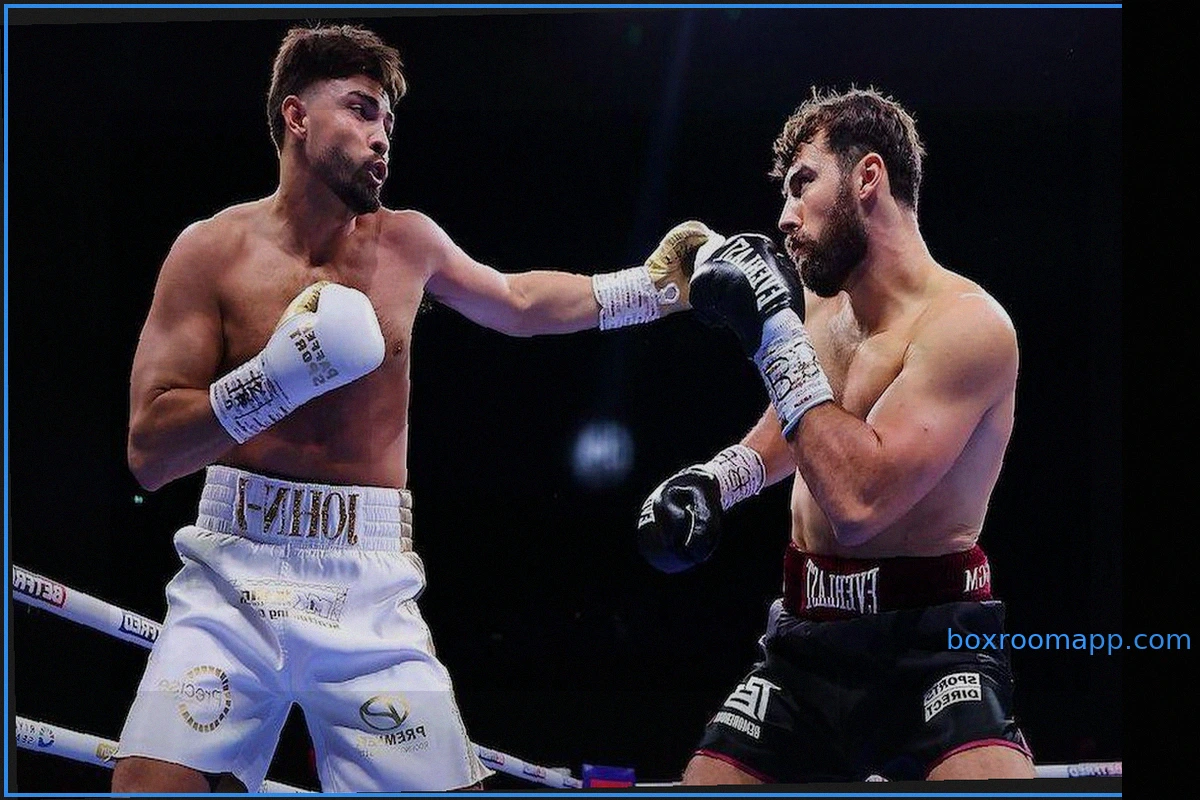
Johnny Fisher Edges Bloodied Michael Pirotton in Zuffa Debut
British heavyweight Johnny Fisher won his debut fight under the Zuffa Boxing banner, securing a majority points victory against a bloodied Michael Pirotton at London's Copper Box Arena. Fisher, 27, was the rightful winner of the close fight, though he showed signs of fatigue over the 10 rou
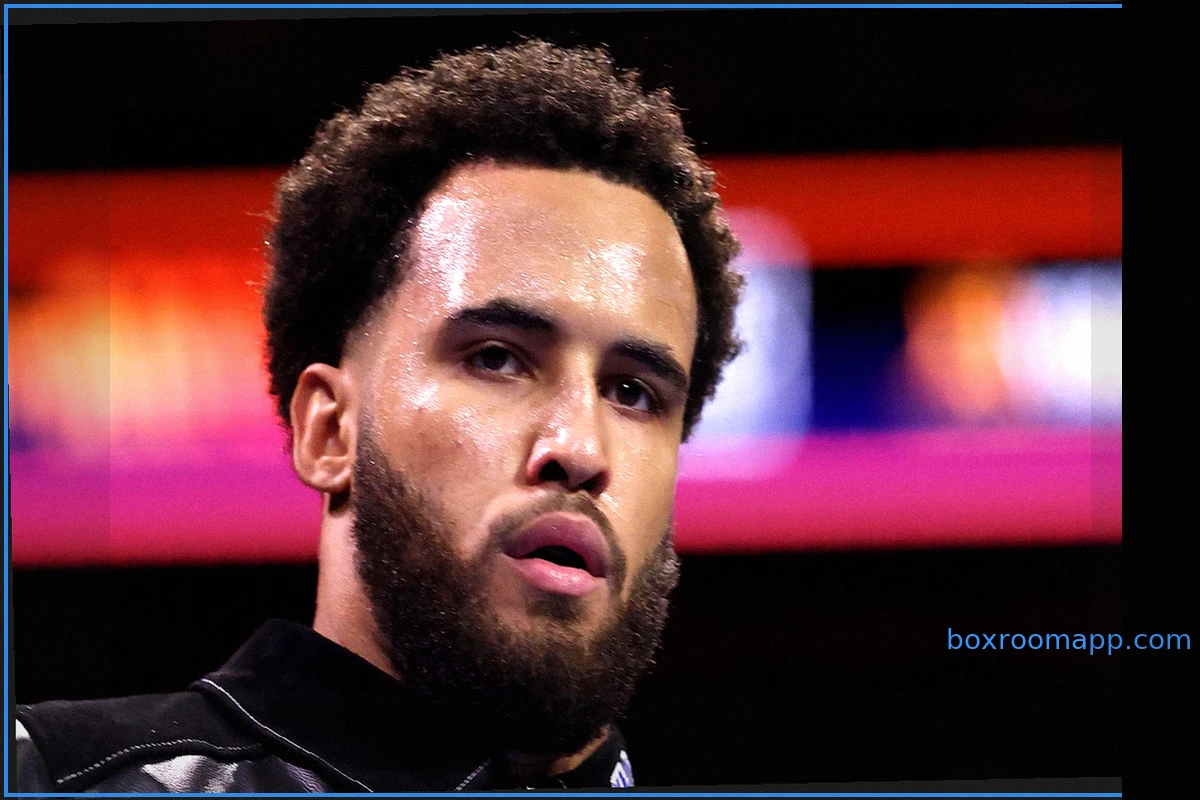
Filip Hrgovic: Moses Itauma's Humiliation Could Make Him Unbeatable
Moses Itauma might become virtually unbeatable if he can process the "humiliation" of his IBF heavyweight title loss, according to Filip Hrgovic, who defeated the Briton in August. Hrgovic, 34, stopped Itauma, the pre-fight favorite, in the ninth round at the O2 Arena. Initially, Ita
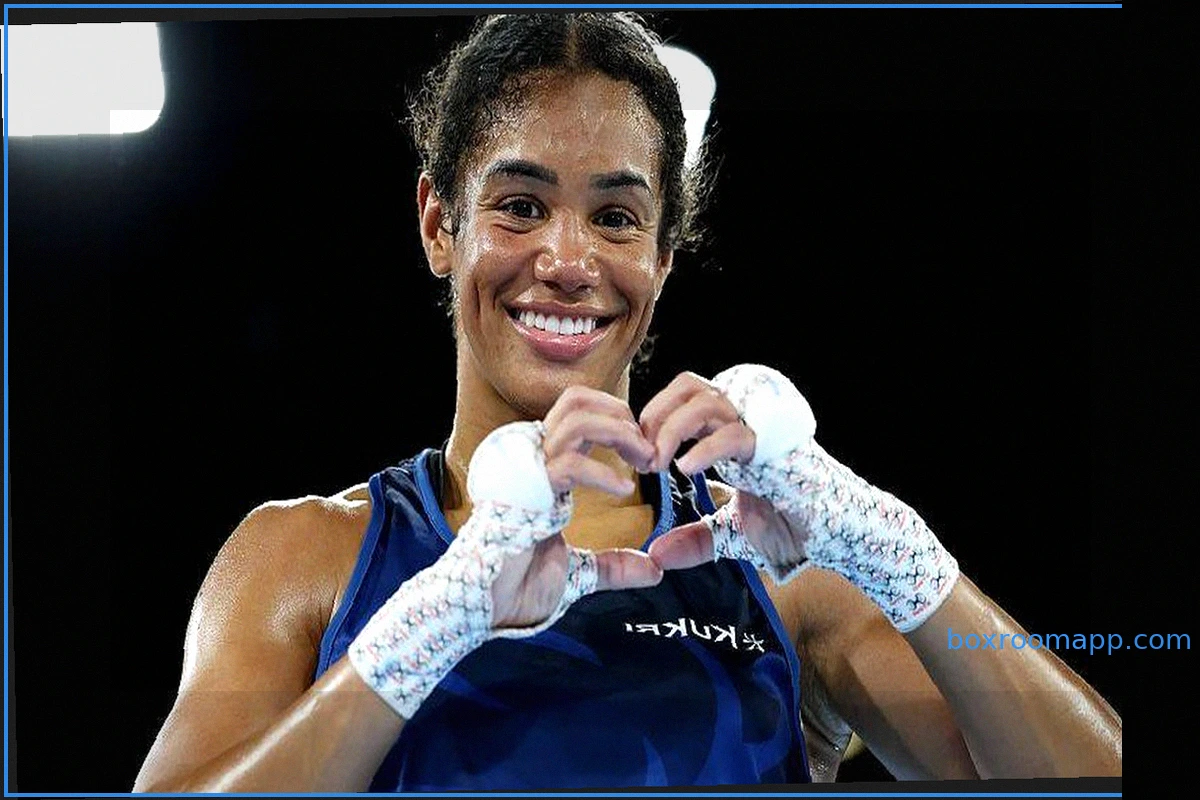
GB Boxers Guaranteed Three Medals at Europeans
Great Britain is assured of at least three medals at the European Boxing Championships in Bulgaria. Chantelle Reid, Damar Thomas, and Abdul Burton have all reached the semi-finals. Reid, a Commonwealth Games silver medallist, decisively won her women's light-middlew
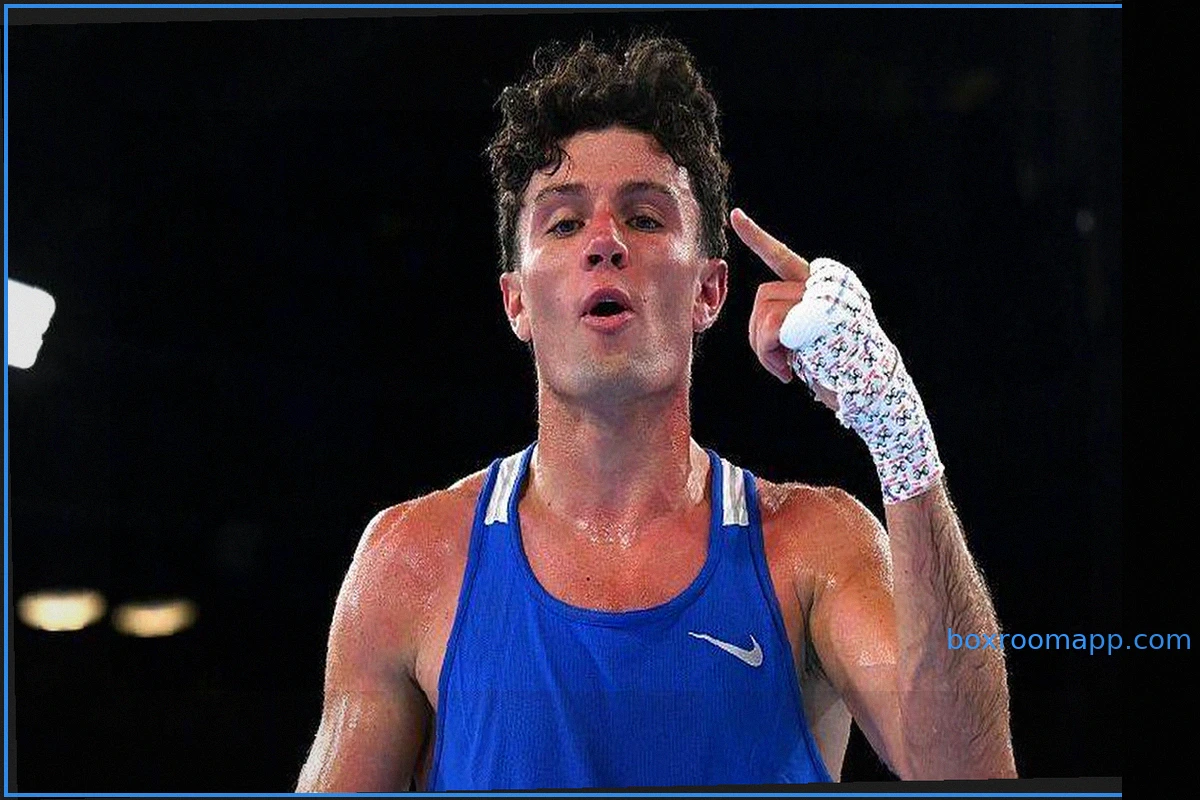
McConnell Claims Medal at European Championships
Jude Gallagher secured a spot in the lightweight quarter-finals after defeating Lounes Hamraoi of France by third-round stoppage. Gallagher, initially trailing on points after the first round, intensified his attack in the second and third rounds, forcing standing counts before the referee sto
Patrick Brown Dominates Hedges with Decisive Stoppage
The fight, initially planned for Altrincham, was moved to Manchester's Co-op Live due to high ticket demand. A crowd of 5,000 filled the arena, making their presence known with a mix of cheers for Brown and boos for his opponent, Hedges. Chants of "Oh Patrick the Bomber" and
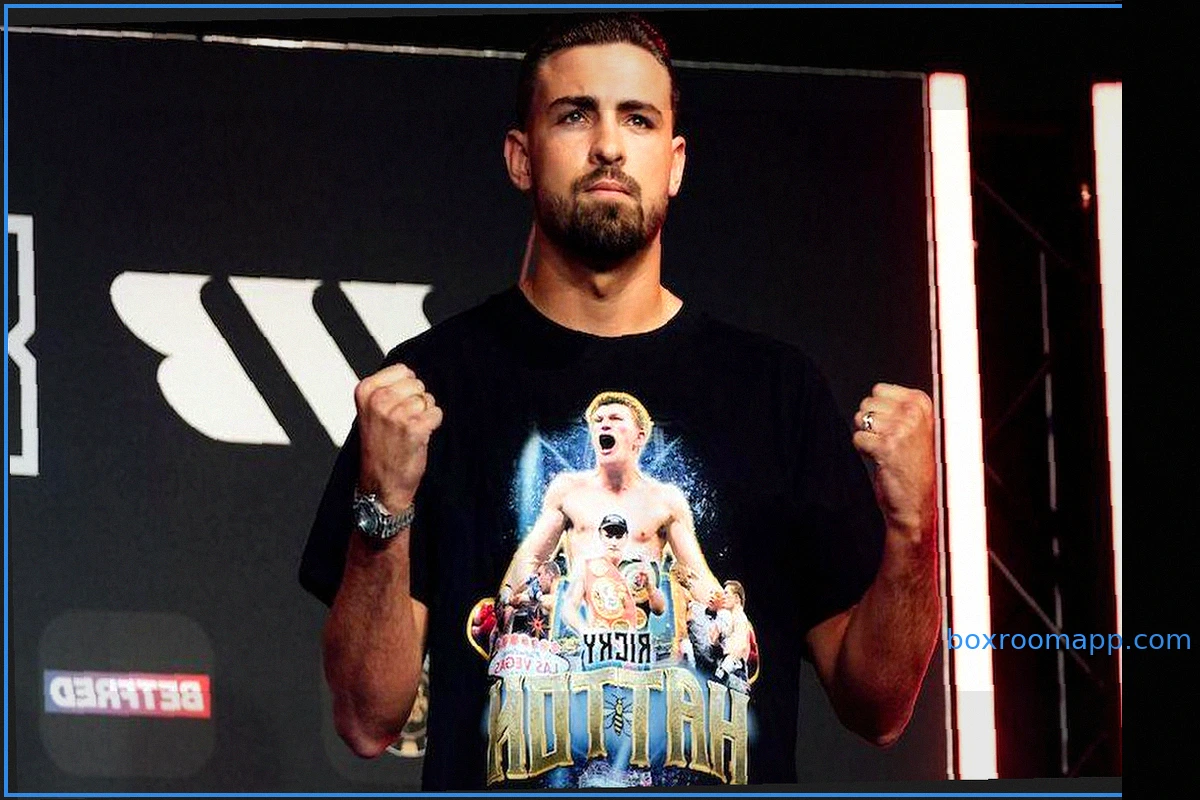
Hedges Honors Late Trainer Hatton at Weigh-In
"Pat knows what's going on; he knows my history, and this isn't new to me. I'm fortunate to be here, but this is familiar territory." Hedges enters the bout with an undefeated record in 12 professional matches. He will face Brown, who has secured victory in all six of his fights by knocko