New Next-Gen Dish Strengthens NASA's Deep Space Network
NASA's Deep Space Network (DSN) facility in California has welcomed a significant upgrade with the addition of a new 34-meter (114-foot) radio frequency antenna. This advanced dish is now a vital part of the agency's system for deep space communications and navigation, which utilizes large antennas at three global locations to support over 40 spacecraft exploring our solar system and interstellar space.
The newly commissioned Deep Space Station 23 (DSS-23), situated at the Goldstone Deep Space Communications Complex near Barstow, is managed by NASA's Jet Propulsion Laboratory in Southern California. The inauguration featured a ribbon-cutting ceremony attended by NASA officials, personnel, and distinguished guests. This latest addition is part of the Deep Space Network's Aperture Enhancement Project, initiated in 2009 to modernize and expand the network. The project includes the deployment of six new 34-meter multifrequency beam-waveguide antennas, designed for versatility and capable of supporting missions operating on various radio frequencies.
"By expanding the Deep Space Network, we are strengthening the communications foundation NASA needs for the bold missions ahead — from exploring more of the Moon than ever before to peering deeper into the solar system," stated James Kenyon, associate administrator of the Research and Technology Mission Directorate at NASA Headquarters. "This new antenna will help us deliver on our national goals for space exploration and push beyond the limits of what once seemed impossible."
Following a successful testing phase from May to July, DSS-23 commenced operations on August 3rd by tracking NASA's Chandra X-ray Observatory. Since then, it has been instrumental in maintaining communication with numerous missions, including NASA's Mars Reconnaissance Orbiter, Psyche, Juno, Voyager 1, and other robotic spacecraft operating in deep space.
"The addition of this next-generation antenna brings us closer to a completely modernized network that embraces advanced technology to ensure NASA’s leadership in deep space communications," said Dave Gallagher, director of JPL. "After over 60 years of continuous operations supporting consequential missions, these upgrades prime the network for a new era of exploration. The teams that designed, planned, and built DSS-23 should be proud."
Enhanced Capabilities
The construction of DSS-23 began in February 2020. After its 133-ton metal reflector framework was installed atop the antenna's pedestal in December 2024, engineers meticulously fitted the panels responsible for reflecting radio frequency signals to and from spacecraft. The subsequent calibration process ensured its seamless integration with the rest of the DSN.
DSS-23 is the fifth antenna at the Goldstone complex, joining three other 34-meter antennas and one 70-meter (230-foot) antenna. It is also the fifth antenna added as part of the enhancement project across the DSN's Goldstone, Madrid, and Canberra, Australia, sites. The multifrequency beam waveguide design directs signals to a stable, climate-controlled underground room, eliminating the need to house sensitive electronic equipment on the moving dish. This not only provides operational versatility but also simplifies maintenance and upgrades.
"The biggest challenge wasn’t actually constructing the antenna. It was transforming a complex collection of mechanical, electrical, software, radio frequency, and infrastructure systems into a single, mission-ready asset," explained Germaine Aziz, manager of the Deep Space Network Aperture Enhancement Project at JPL. "Every subsystem must be integrated, calibrated, and verified to operate with extraordinary precision and reliability before it can support NASA’s deep space missions."
The Aperture Enhancement Project will conclude with the activation of a sixth enhancement-project antenna, Deep Space Station 33, at the Canberra facility in 2029. This will bring the total number of 34-meter antennas in the network to 13. These 34-meter antennas can be combined and operated in arrays to provide communication redundancy comparable to each facility's single 70-meter antenna. As the 70-meter antennas approach 50 years of continuous operation, their maintenance and repair costs are increasing, making these upgrades crucial for future exploration.
Managed by Caltech for NASA, JPL oversees the Deep Space Network under the guidance of NASA’s SCaN (Space Communications and Navigation) Program within NASA’s Research and Technology Mission Directorate. The DSN and the Near Space Network are critical infrastructure for over 100 NASA and non-NASA missions, supporting everything from astronaut support on the International Space Station and future Artemis missions to Earth monitoring, lunar exploration, and deep space discoveries.
For more information about the Deep Space Network, visit:
Fresh materials — MMA
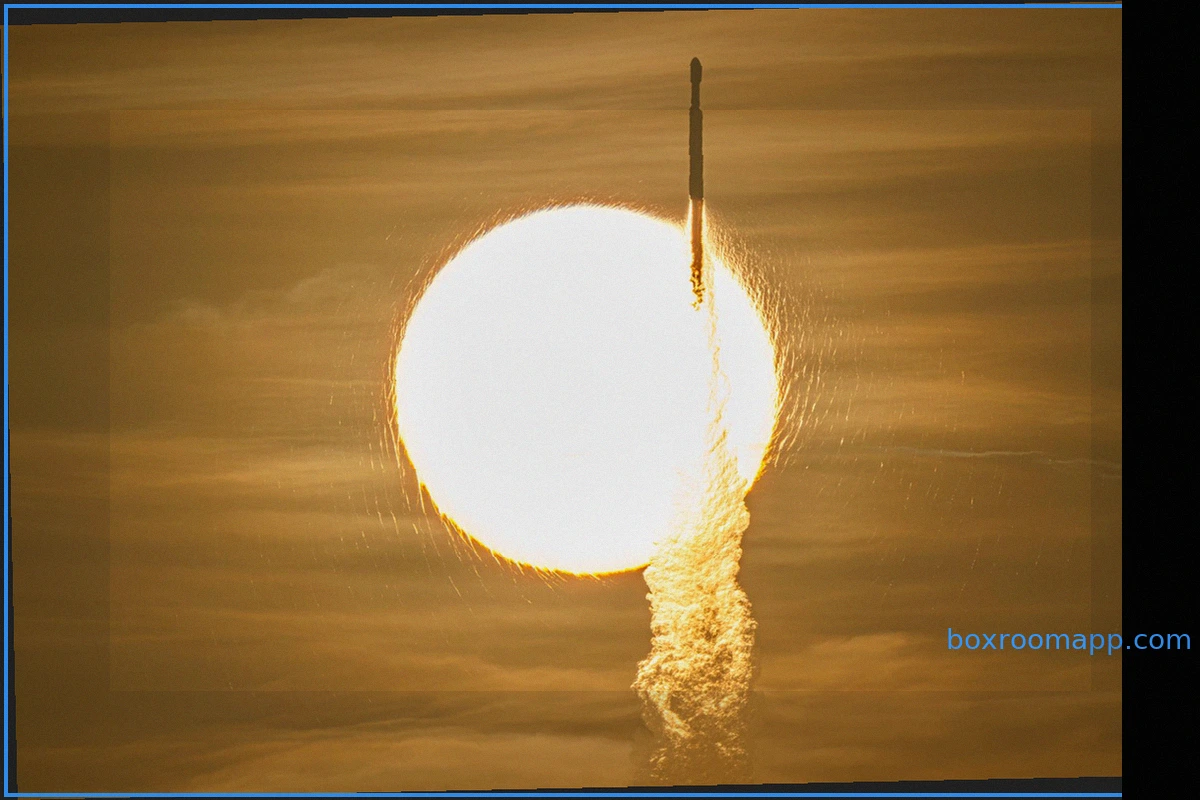
NASA's Nancy Grace Roman Space Telescope Launched to Explore the Dark Universe
NASA's Nancy Grace Roman Space Telescope has embarked on a three-month, million-mile journey to its designated orbit, poised to unlock the universe's most profound mysteries. The mission commenced its voyage on Sunday at 7:26 a.m. EDT, propelled by a SpaceX Falcon Heavy rocket from Launch Comp

NASA Welcomes Jeret Howard as a Civil Servant
Jeret Howard, a logistics management specialist at NASA’s Stennis Space Center, has transitioned from a long-time contractor to a civil servant. This move signifies a continuation of his commitment to national service, mirroring his early dedication as a U.S. Army combat medic at
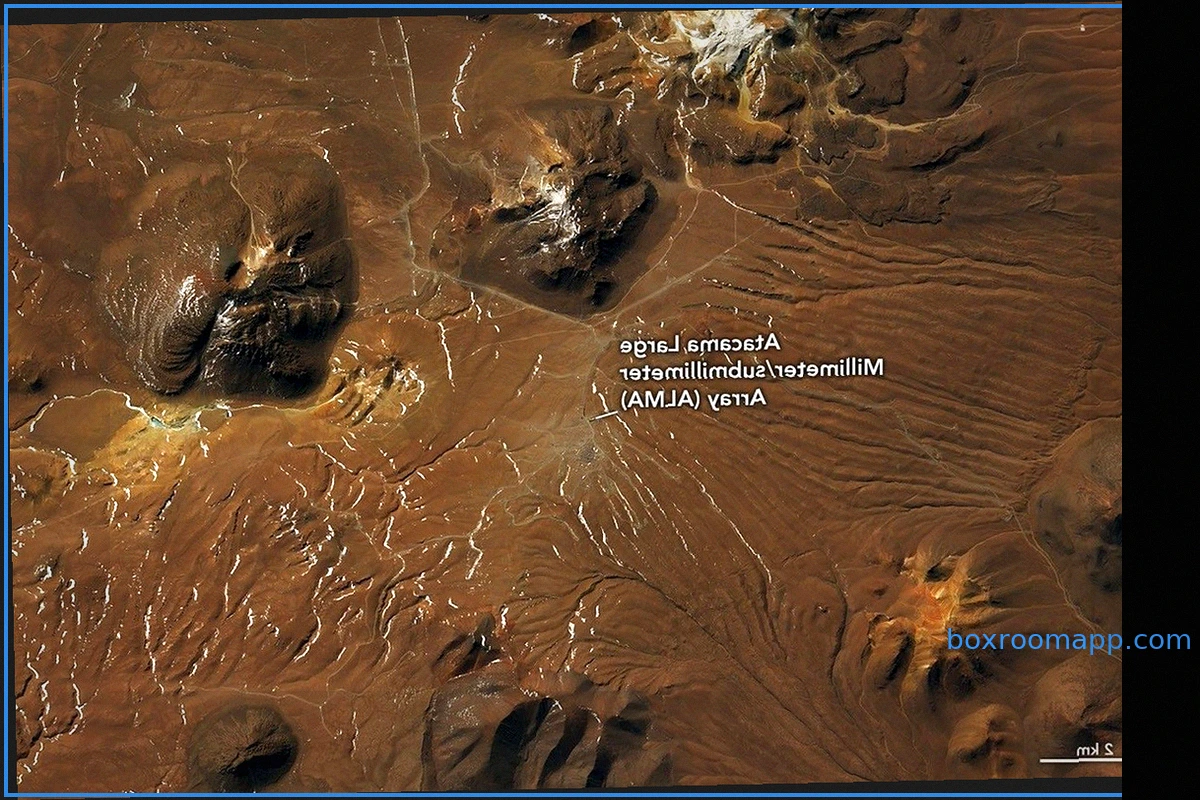
Rare, Widespread Snowfall in the Atacama Desert
In August 2026, consecutive winter storms brought an unusual snow cover to parts of the Atacama Desert in northern Chile. While the region has experienced snowfall before, notably in 2025 and 2011, one of the 2026 events was exceptionally extensive, reaching from the Andes mountains towards th
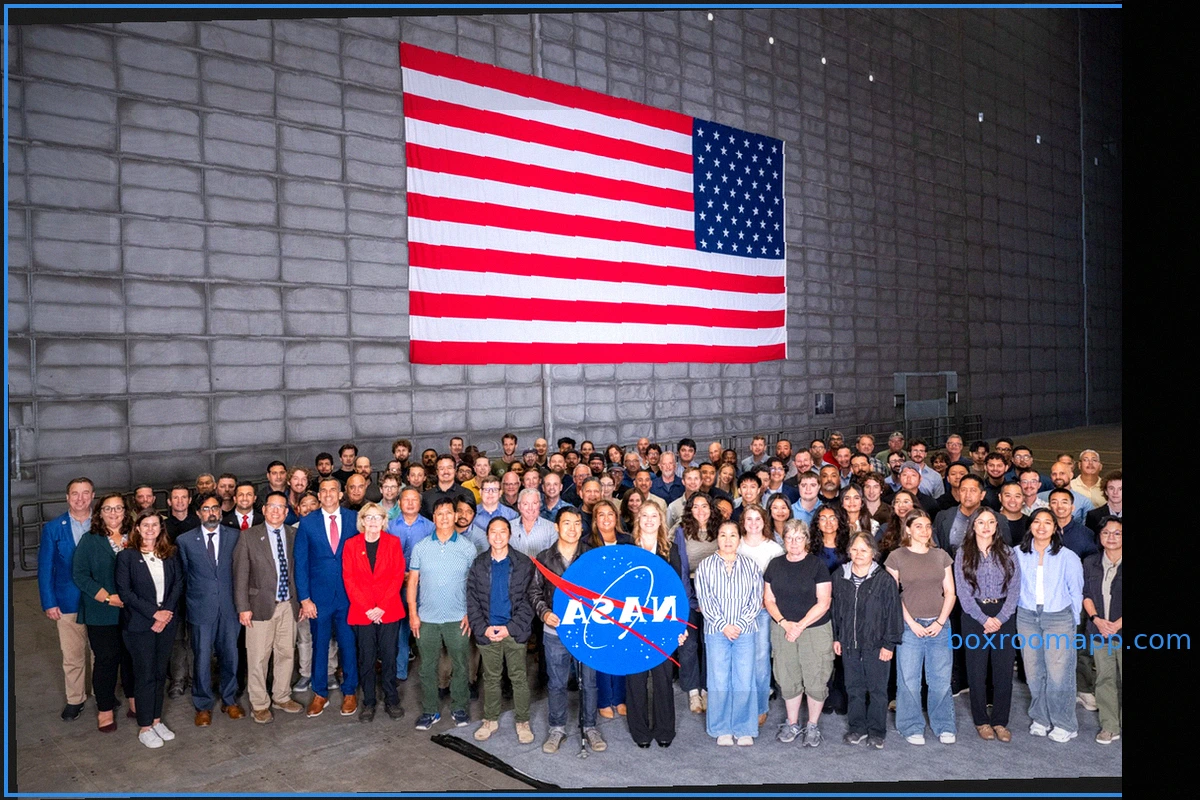
NASA Ames Hosts Largest Civil Servant Swearing-In Ceremony
Brandon Torres Navarrete On August 24, 2026, a significant group of new civil servants and their guests gathered for a
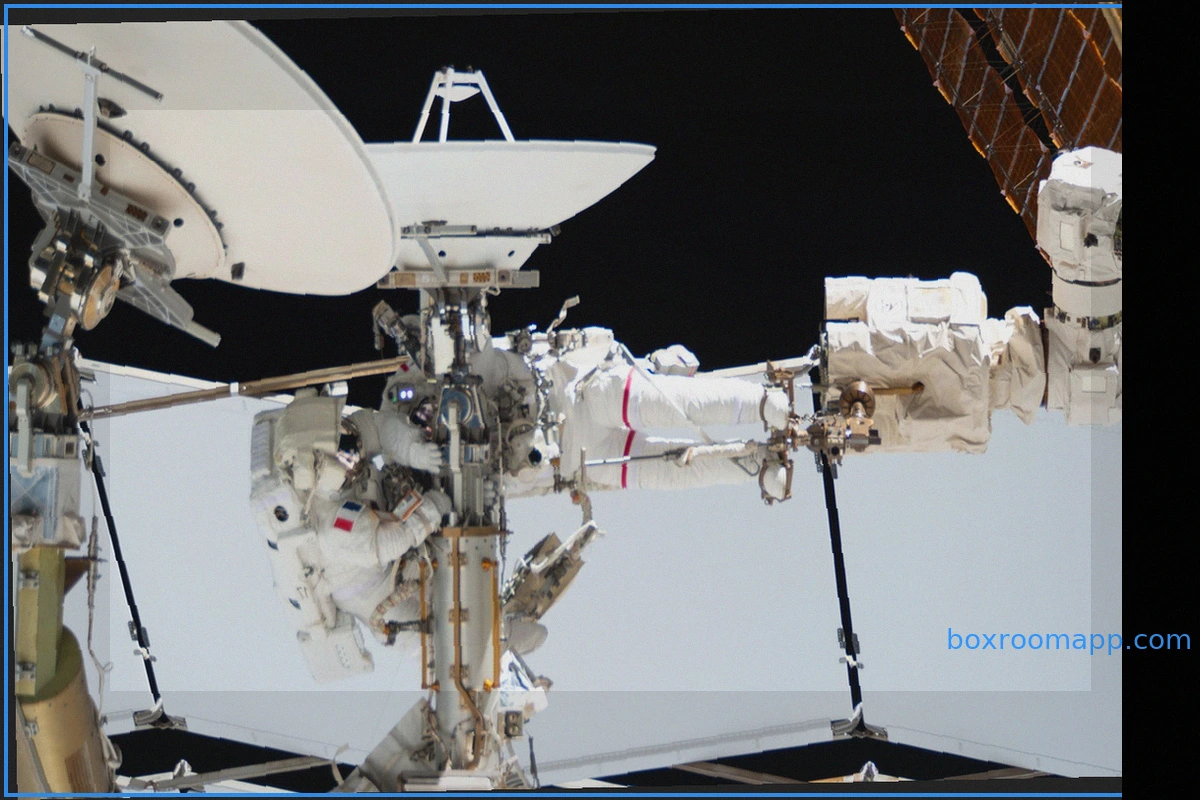
Astronauts Anil Menon and Sophie Adenot on Spacewalk
Astronauts Anil Menon of NASA and Sophie Adenot of the European Space Agency (ESA) participated in a spacewalk on August 18, 2026. The Extravehicular Activity (EVA) lasted six hours and 23 minutes and took place outside the International Space Station (ISS). During this spacewalk, the two f
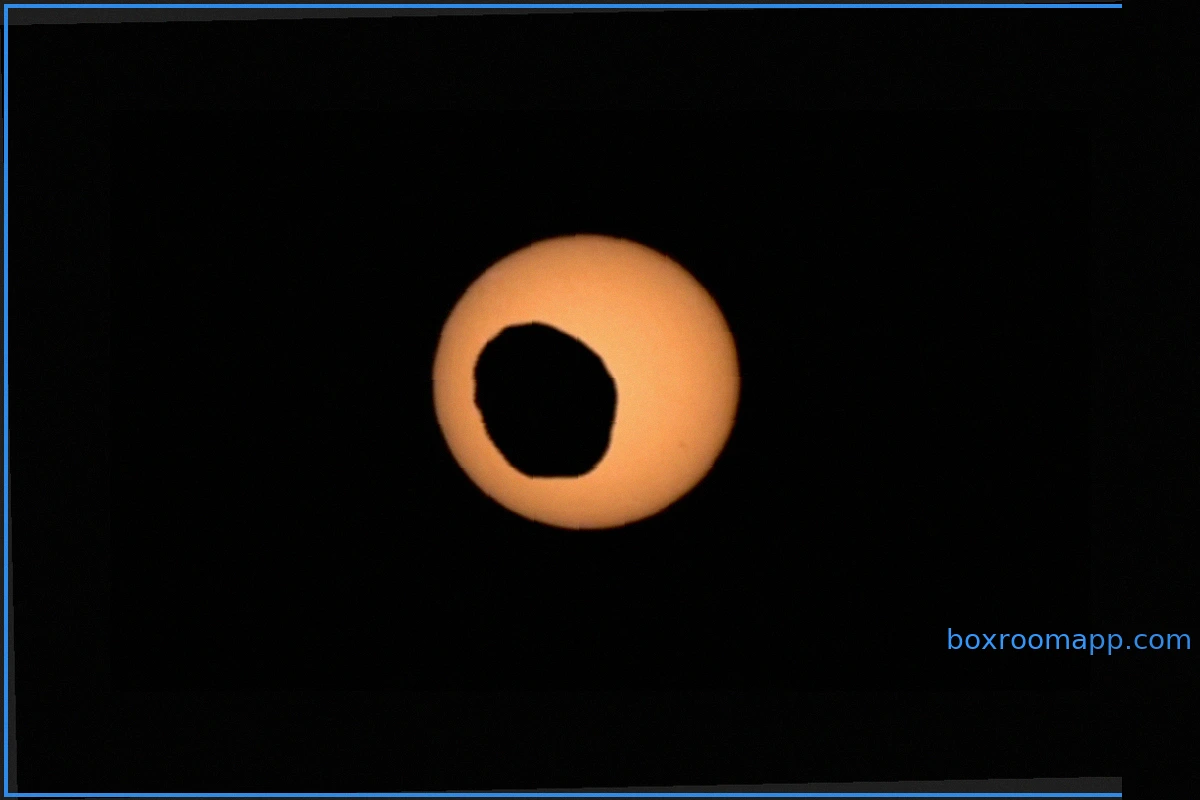
Perseverance Captures Another Phobos Transit
NASA's Perseverance Mars rover successfully captured an image of Phobos, one of Mars' two moons, passing in front of the Sun. This event, known as a transit, was observed on August 12, 2026, which was the 1,948th Martian day (sol) of the mission. The rover utilized its Mastcam-Z camera for thi