Perseverance Captures Another Phobos Transit
NASA's Perseverance Mars rover successfully captured an image of Phobos, one of Mars' two moons, passing in front of the Sun. This event, known as a transit, was observed on August 12, 2026, which was the 1,948th Martian day (sol) of the mission. The rover utilized its Mastcam-Z camera for this observation.
The captured animation has been color-enhanced to give viewers an idea of how the transit would appear to a human on the Martian surface, viewed through protective solar eclipse glasses. This visual representation helps to make the celestial event more relatable.
Since its arrival at Jezero Crater in February 2021, Perseverance has documented multiple transits of Phobos. By analyzing these repeated observations, scientists are able to refine their understanding of the irregular, potato-shaped moon's orbit and how it is evolving over time. It is predicted that in the distant future, Phobos' orbit will lead it to crash into the surface of the Red Planet.
The Mastcam-Z instrument is operated by Arizona State University. This operation involves collaboration with Malin Space Science Systems in San Diego, which is responsible for the cameras' design, fabrication, testing, and operation. Additionally, the Niels Bohr Institute at the University of Copenhagen contributes to the design, fabrication, and testing of the calibration targets.
NASA's Jet Propulsion Laboratory, managed by Caltech in Pasadena, California, is responsible for the construction and ongoing operations of the Perseverance rover.
For more details on the Perseverance mission, visit: science.nasa.gov/mission/mars-2020-perseverance/
Fresh materials — MMA
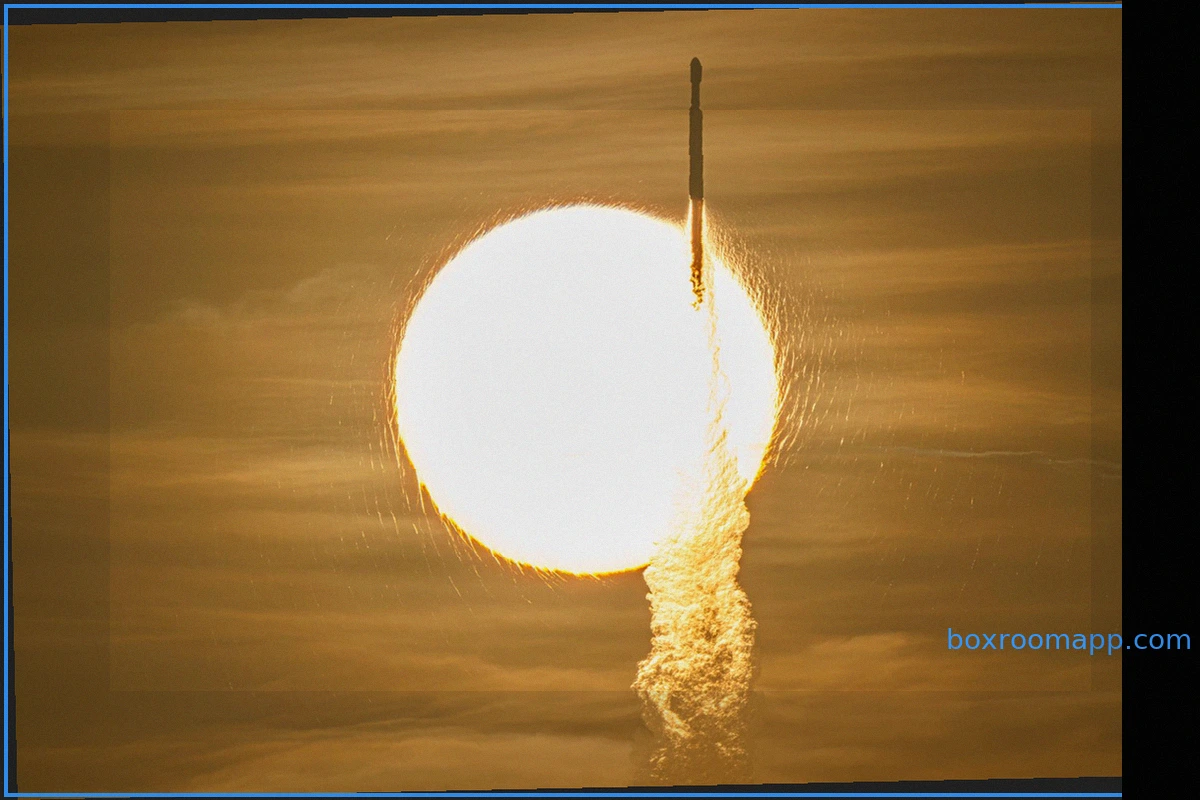
NASA's Nancy Grace Roman Space Telescope Launched to Explore the Dark Universe
NASA's Nancy Grace Roman Space Telescope has embarked on a three-month, million-mile journey to its designated orbit, poised to unlock the universe's most profound mysteries. The mission commenced its voyage on Sunday at 7:26 a.m. EDT, propelled by a SpaceX Falcon Heavy rocket from Launch Comp

NASA Welcomes Jeret Howard as a Civil Servant
Jeret Howard, a logistics management specialist at NASA’s Stennis Space Center, has transitioned from a long-time contractor to a civil servant. This move signifies a continuation of his commitment to national service, mirroring his early dedication as a U.S. Army combat medic at
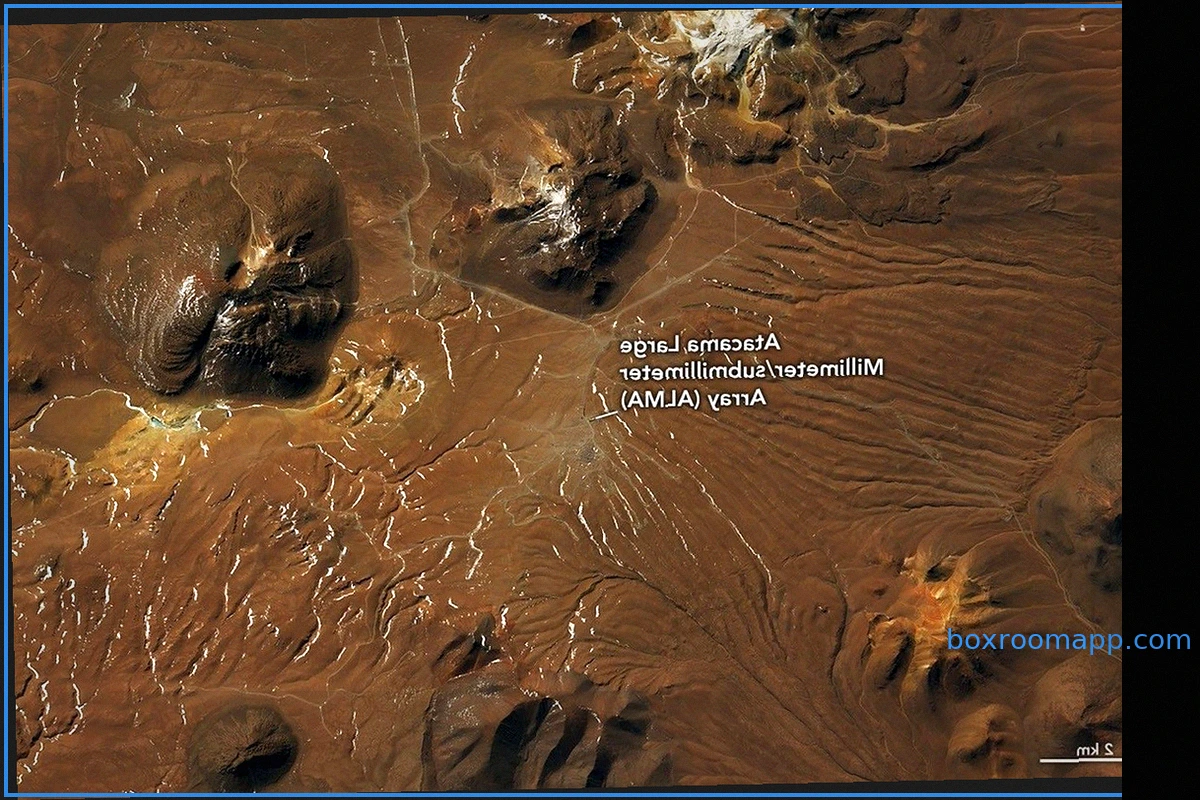
Rare, Widespread Snowfall in the Atacama Desert
In August 2026, consecutive winter storms brought an unusual snow cover to parts of the Atacama Desert in northern Chile. While the region has experienced snowfall before, notably in 2025 and 2011, one of the 2026 events was exceptionally extensive, reaching from the Andes mountains towards th
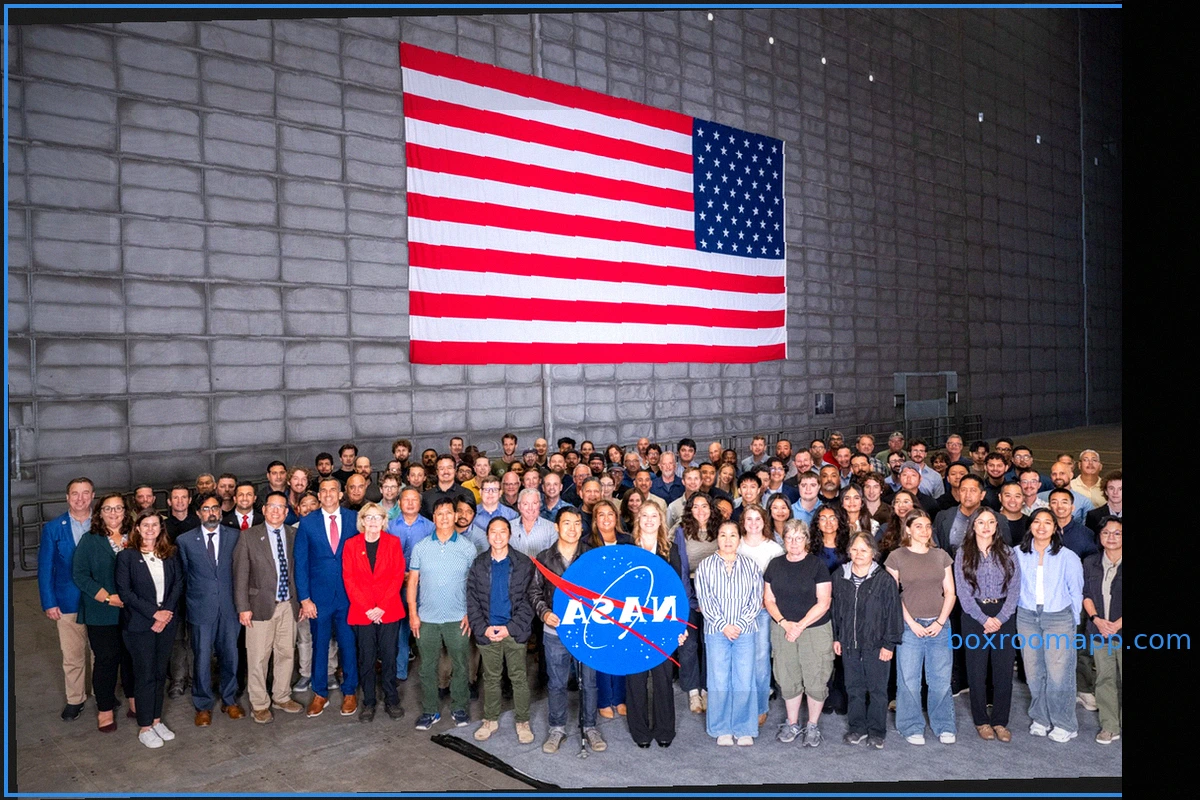
NASA Ames Hosts Largest Civil Servant Swearing-In Ceremony
Brandon Torres Navarrete On August 24, 2026, a significant group of new civil servants and their guests gathered for a
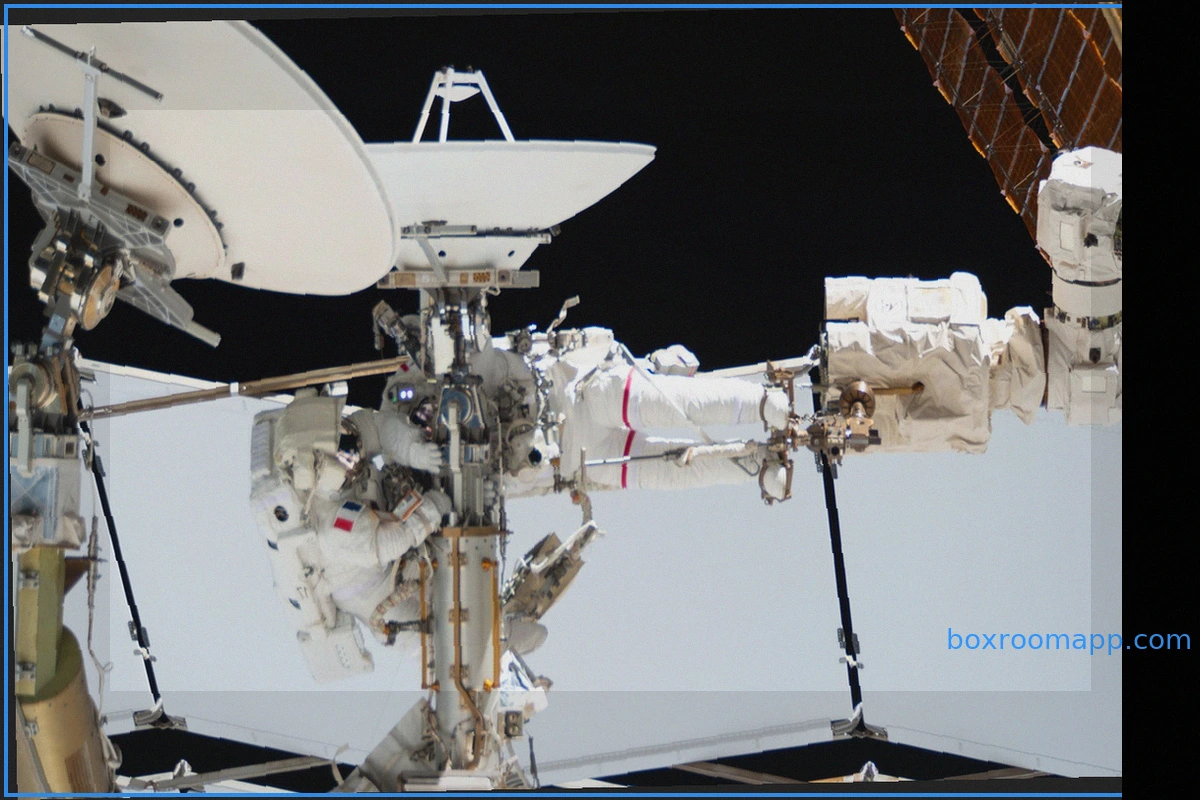
Astronauts Anil Menon and Sophie Adenot on Spacewalk
Astronauts Anil Menon of NASA and Sophie Adenot of the European Space Agency (ESA) participated in a spacewalk on August 18, 2026. The Extravehicular Activity (EVA) lasted six hours and 23 minutes and took place outside the International Space Station (ISS). During this spacewalk, the two f
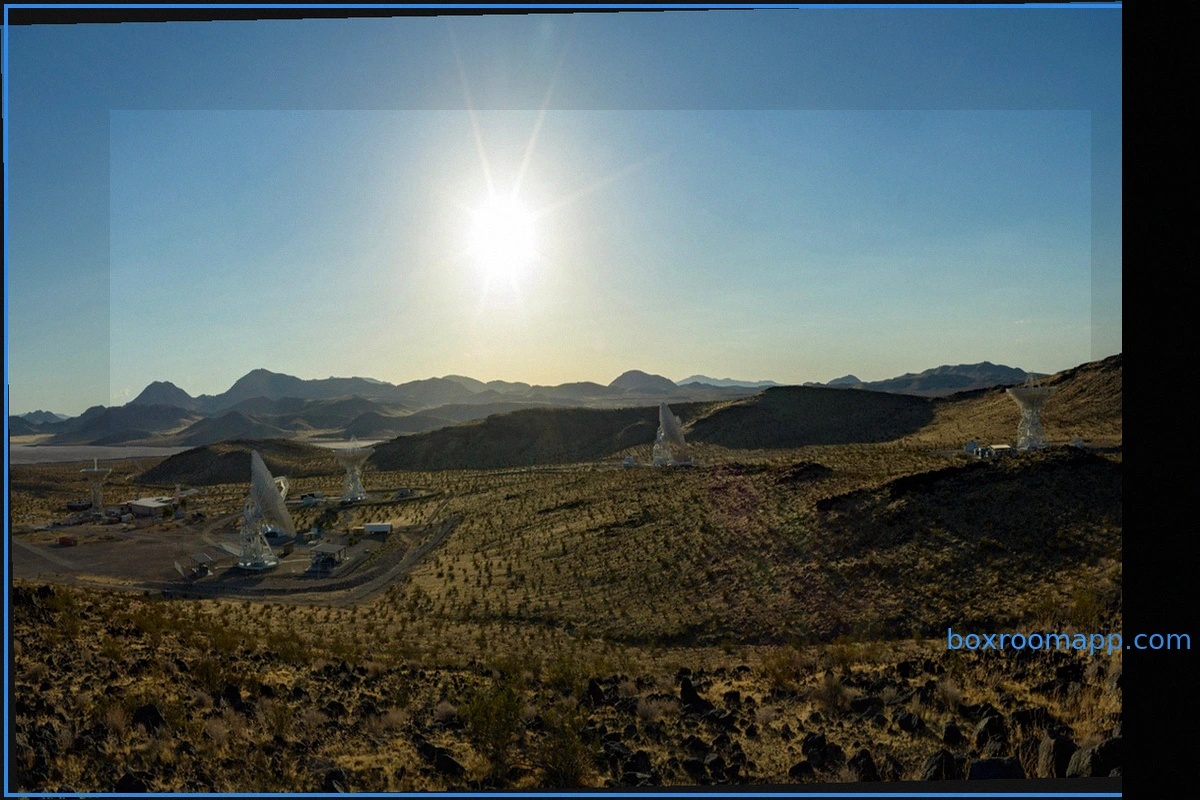
New Next-Gen Dish Strengthens NASA's Deep Space Network
NASA's Deep Space Network (DSN) facility in California has welcomed a significant upgrade with the addition of a new 34-meter (114-foot) radio frequency antenna. This advanced dish is now a vital part of the agency's system for deep space communications and navigation, which utilizes large ant