Hydrate vs Moisturize: What Benefits Aging Skin More?
The debate between hydrating and moisturizing the skin is a common one, even for experienced skincare enthusiasts who often consider these terms interchangeable. However, a hyaluronic acid serum and a barrier-focused face moisturizer offer distinct, though often complementary, benefits. In essence, hydration provides water, while moisturizing delivers oils.
This fundamental difference assigns them unique roles in skin function, impacting all skin types, and especially aging skin. Understanding the key distinctions between hydration and moisturizing is crucial, as incorporating both into your routine can yield significant advantages.
What is the difference between hydrating and moisturizing?
Dr. Jessie Cheung, a board-certified dermatologist, likens hydration to "filling the reservoir" and moisturizing to "building the dam." She explains that "hydration is about increasing the water content within the skin and helping it attract and hold onto that water, largely through humectants and the skin’s own natural moisturizing factors." She continues, "Moisturizing is about strengthening that outer barrier with lipids and helping prevent water from evaporating."
Does aging skin need hydration, moisturization, or both?
Both water and lipids are vital for healthy skin, and their importance grows with age. According to Dr. Cheung, as we age, "skin produces less of its own hyaluronic acid and natural moisturizing factors, so it doesn’t hold onto water as efficiently." Concurrently, she notes, our skin barrier weakens, leading to reduced production of lipids like ceramides, which allows water to escape more easily. "So aging skin isn’t just 'drier'," she states. "It’s dealing with a double hit: less water retention capacity and a leakier barrier."
This can result in skin that appears and feels rough, dry, and crepey. However, these are not the only changes that occur as skin ages. Dr. Jenna Queller, a board-certified dermatologist, points out that "Collagen and elastin production also decline, and the skin’s ability to repair itself slows down." She adds, "These changes can lead to increased dryness, rough texture, fine lines, and a loss of that youthful ‘bounce’ many people associate with well-hydrated skin."
Hormonal fluctuations, such as those experienced during perimenopause, can exacerbate the situation, as estrogen plays a role in the production of hyaluronic acid, barrier lipids, and collagen. Consequently, relying solely on hydration or moisturization tends to "underperform" on mature skin, as Dr. Cheung puts it. "You need to replenish the reservoir and reinforce the dam," she advises.
Do you moisturize or hydrate first?
Generally, hydration should precede moisturization. Dr. Queller often recommends applying a hydrating serum first to slightly damp skin, then following with a moisturizer to seal in that hydration and support the skin barrier. The design of these product categories is intentional. Serums, typically containing a high concentration of active ingredients, are formulated for easier skin penetration. In contrast, thicker textures like creams help create a physical barrier over the skin.
Fresh materials — Combat Sports News

Stylish New Scottish Highlands Retreat: A Tribute to Nature
The allure of the Scottish Highlands, much like many British traditions, has historical ties to the monarchy. In the harsh winter of 1848, Queen Victoria and Prince Albert, captivated by the "wild loveliness" of Aberdeenshire, secured a lease on Balmoral. This event propelled the remot
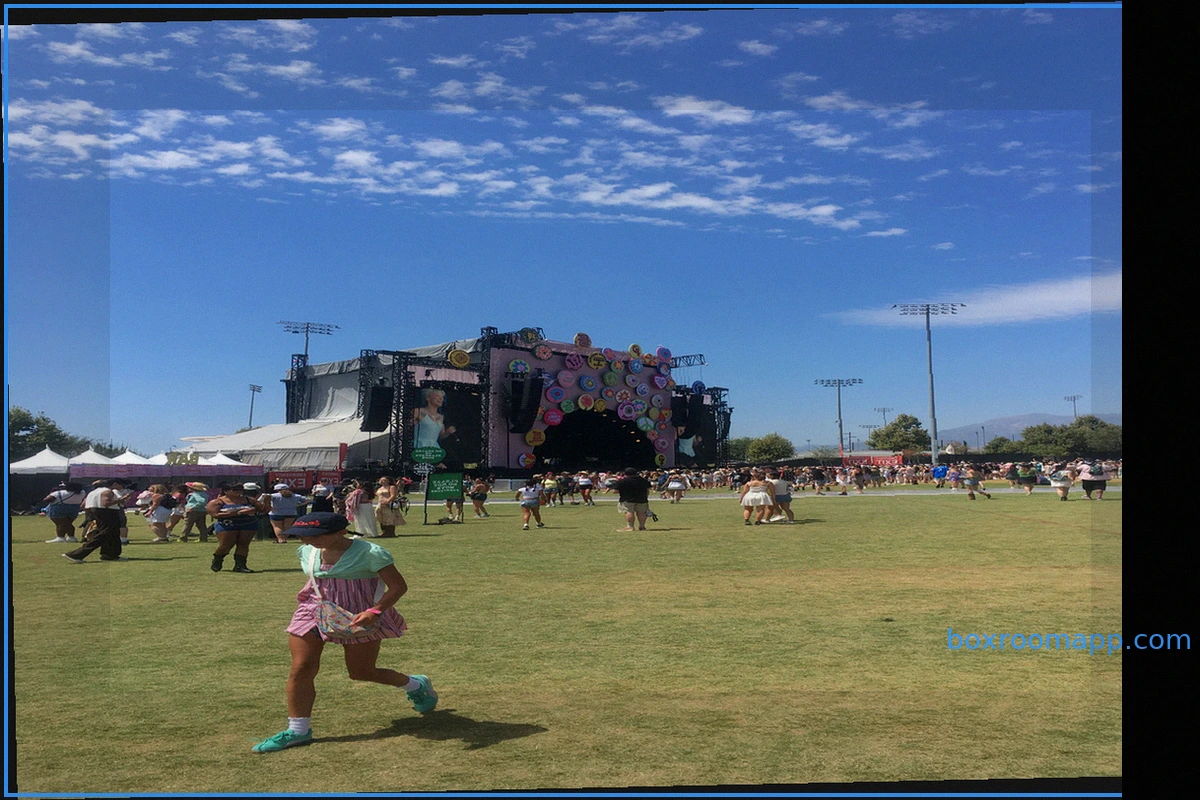
Girlhood Flourishes at Olivia Rodrigo's Daisy Chain Festival
Within moments of arriving at Daisy Chain Fields, the festival's spirit was palpable. Thousands of attendees gathered, creating an electrifying atmosphere despite the sweltering heat exceeding 103 degrees. The festival's inherently positive nature, coupled with its charitable m
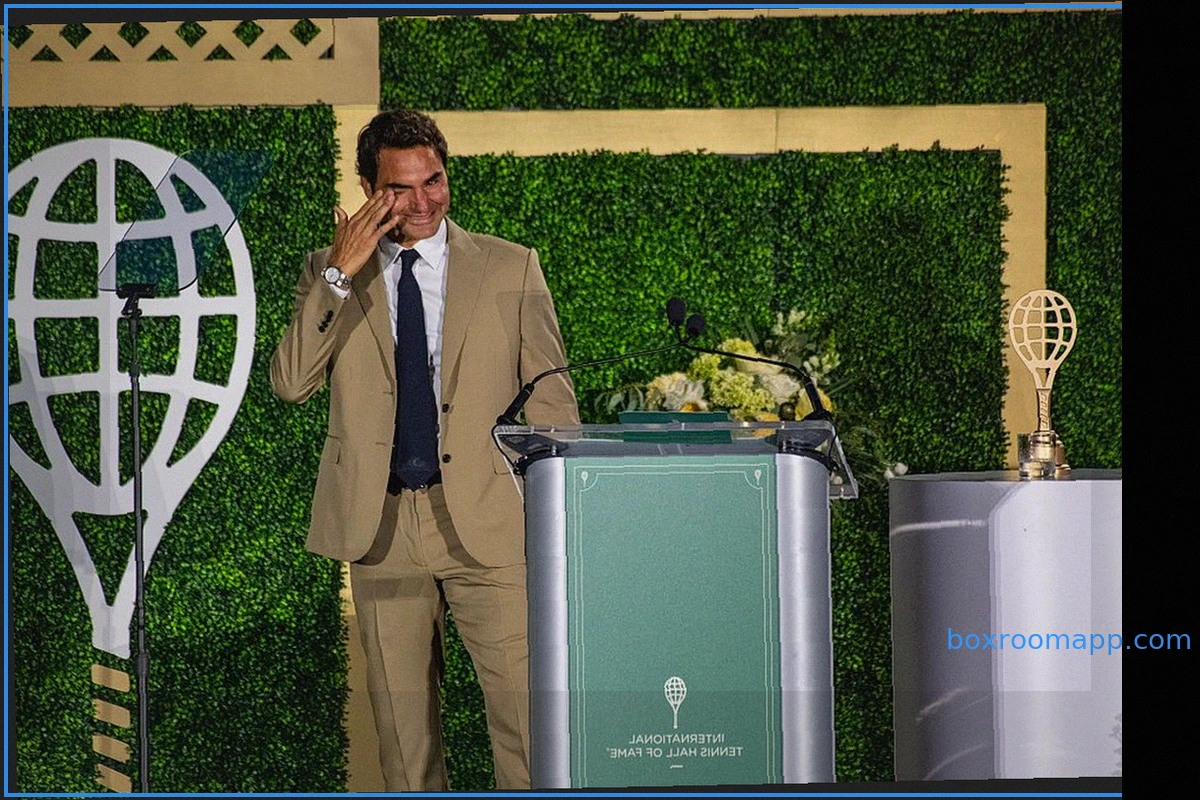
Roger Federer's Induction into the International Tennis Hall of Fame in Newport
The induction of Roger Federer into the International Tennis Hall of Fame (ITHF) in Newport, Rhode Island, was a highly anticipated event, marked by significant fanfare and emotion. Federer, alongside former professional player and broadcaster Mary Carillo, was recognized for his unpa
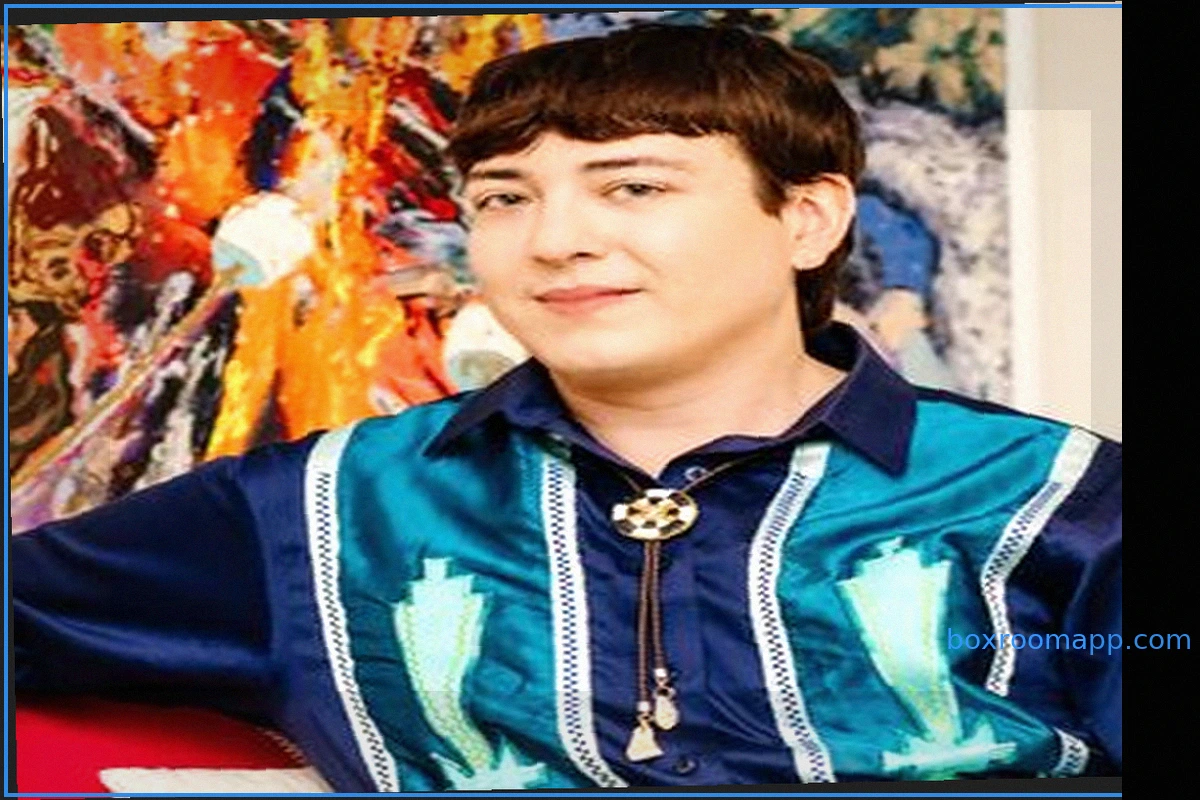
Stars Showcase a Spectrum of Style: From Sleek Minimalism to Theatrical Maximalism
As August draws to a close, many stars are still holding onto the spirit of summer. This week, the fashion landscape was a fascinating blend of opposing styles, with celebrities divided between understated minimalism and bold, theatrical maximalism. On the minimalist side, mod
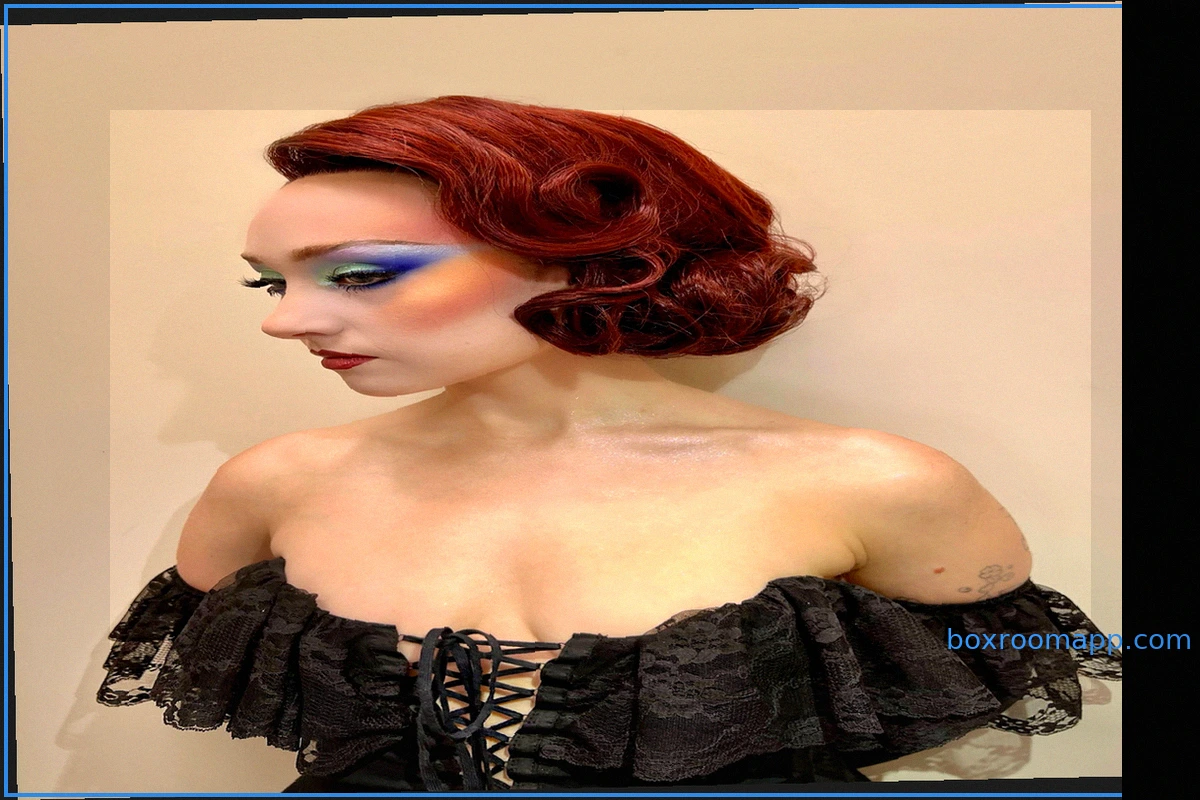
Chappell Roan Embodies Her Truest Self as Bob-ell Roan
Chappell Roan's go-to makeup artist, Dee Carrion, is responsible for her captivating looks, having also styled fellow performer Doechii. Carrion masterfully applied a soft purple blush, emphasizing Roan's features and deepening towards her spiky-lashed, sharply defined eyes and temples
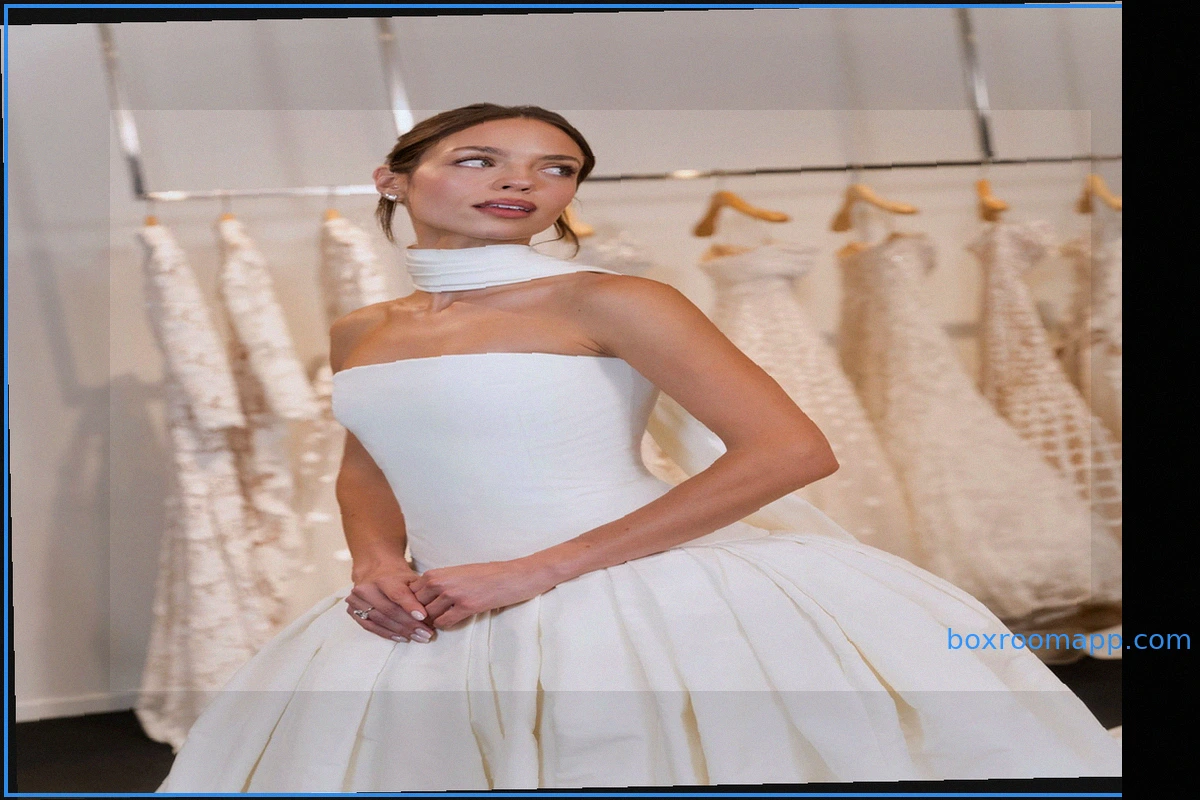
Claudia Sulewski and Finneas Tie the Knot! A Glimpse Inside the Bride's Oscar de la Renta Final Fitting
The moment has arrived to unveil Claudia's dazzling after-party ensemble, inspired by Oscar de la Renta's vibrant early 2000s collection, famously showcased by models like Gisele Bündchen. "The boat neck felt so fresh and different to the rest of the looks—and we made it pink!" Claudia