Is Sleeping Under Canvas the Secret to Better Rest?
While sleep has become increasingly complex and the subject of a booming tourism industry focused on optimization, the most effective way to achieve restful sleep might be surprisingly simple: spending time outdoors and sleeping under canvas.
Personal experiences in various outdoor settings, from African bush camps to a WiFi-free ranch in Wyoming, highlight the restorative power of sleeping in a tent. The constant sound of nature, such as a snow-melt creek, acted as a natural white noise, promoting deeper sleep. Spending days outdoors, engaging in physical activity, and minimizing screen time, especially when synchronized with natural light cycles like sunsets and stars, led to profoundly better sleep and a feeling of genuine rest.
Sleep science supports this notion. Our internal clocks, or circadian rhythms, are heavily influenced by light, yet modern indoor living disconnects us from natural light patterns. Dr. Rebecca Robbins, a Sleep Scientist at Brigham and Women's Hospital and Assistant Professor at Harvard Medical School, explains that our ability to regulate sleep and wakefulness is fundamentally tied to the sun's cycle. Spending time outdoors, even briefly, increases light exposure, prompting the body to recalibrate. Melatonin, the sleep hormone, begins to rise earlier, aligning sleep timing with natural cycles. Research indicates that individuals camping, and thus more in tune with natural light-dark cycles, experience melatonin secretion approximately two hours earlier compared to those in typical indoor environments with artificial lighting.
This aligns with research by Dr. Kenneth Wright at the University of Colorado, which demonstrated that even short camping trips without artificial light can reset the circadian clock to the natural day-night cycle. More recent studies suggest that such shifts can occur over a single weekend, improving sleep patterns and overall rest.
The unique quality of exposure under canvas sets it apart from simply being outdoors. A tent acts as a permeable barrier, filtering the environment without fully isolating us. Florence Williams, author of *The Nature Fix*, notes the thinner boundary between oneself and the natural world when sleeping in a tent. This permeability allows the body to respond to darkness naturally, triggering earlier melatonin release. Deeper, less disrupted breathing occurs without enclosed, recycled air, and the nervous system settles due to the absence of modern life's constant stimuli. Crucially, these environments eliminate common sleep disruptors like screens, late-night scrolling, and ambient device glow, preventing habitual delays in sleep onset. Williams observes that campers typically go to bed about an hour earlier, which is significant as the deepest and most restorative sleep occurs in the early hours of the night.
Beyond the physical, there's a significant psychological shift. Florence Williams highlights the benefits of "awe dosing"—moments of wonder experienced when observing a starry sky or a fading landscape. These experiences have been shown to reduce stress hormones like cortisol and promote relaxation. Experiencing awe fosters a sense of connection and belonging, shifting mood towards happiness and, consequently, enabling more restful sleep.
Fresh materials — Combat Sports News
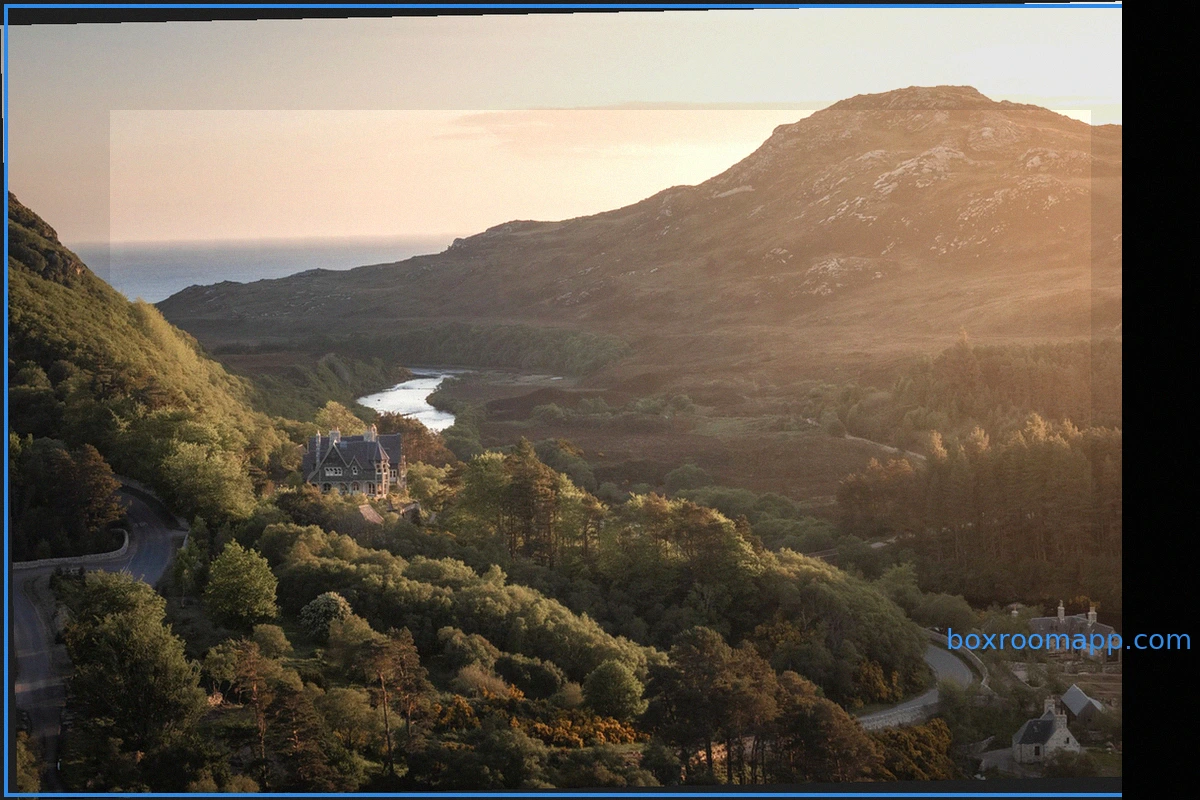
Stylish New Scottish Highlands Retreat: A Tribute to Nature
The allure of the Scottish Highlands, much like many British traditions, has historical ties to the monarchy. In the harsh winter of 1848, Queen Victoria and Prince Albert, captivated by the "wild loveliness" of Aberdeenshire, secured a lease on Balmoral. This event propelled the remot
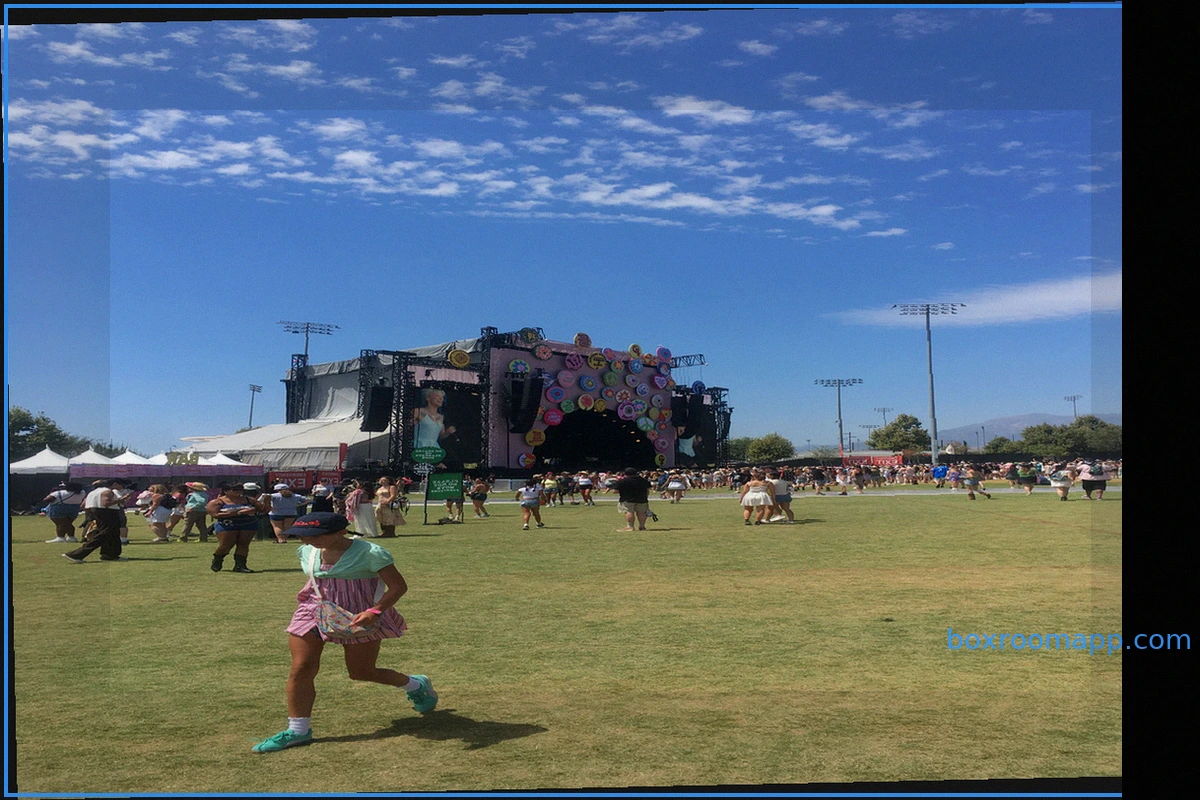
Girlhood Flourishes at Olivia Rodrigo's Daisy Chain Festival
Within moments of arriving at Daisy Chain Fields, the festival's spirit was palpable. Thousands of attendees gathered, creating an electrifying atmosphere despite the sweltering heat exceeding 103 degrees. The festival's inherently positive nature, coupled with its charitable m
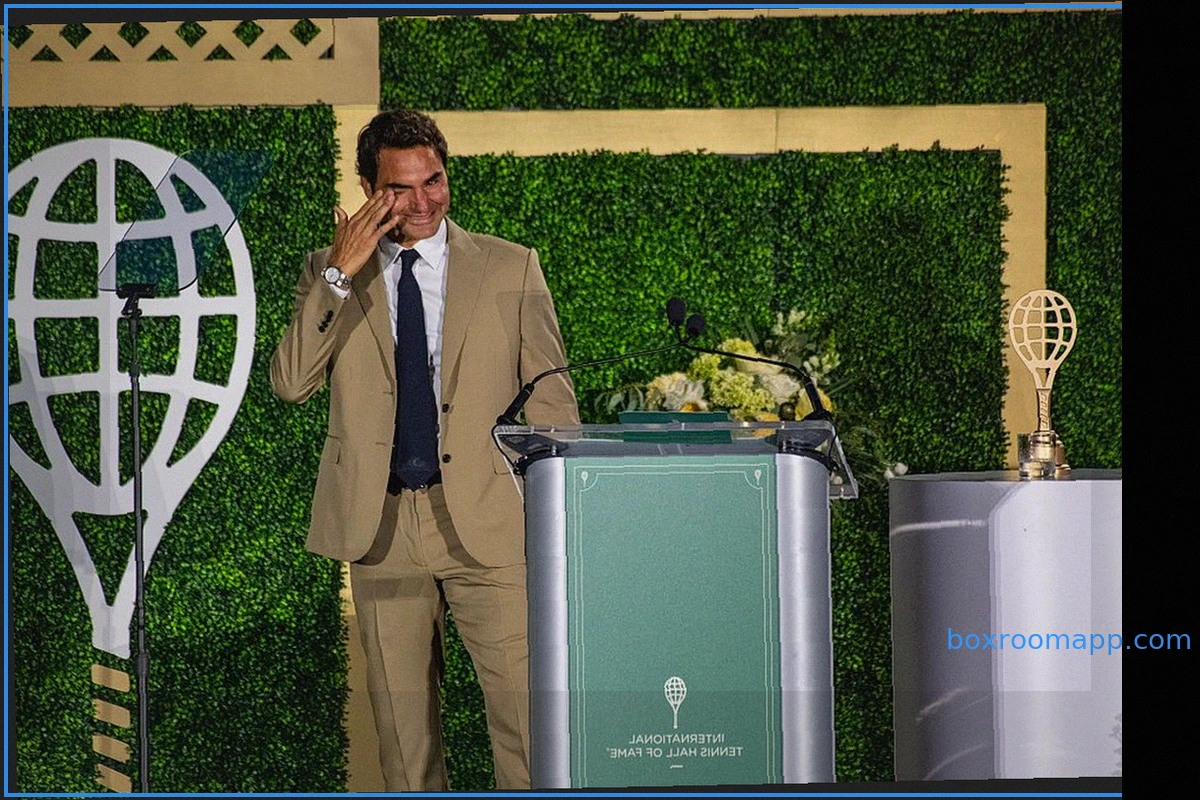
Roger Federer's Induction into the International Tennis Hall of Fame in Newport
The induction of Roger Federer into the International Tennis Hall of Fame (ITHF) in Newport, Rhode Island, was a highly anticipated event, marked by significant fanfare and emotion. Federer, alongside former professional player and broadcaster Mary Carillo, was recognized for his unpa
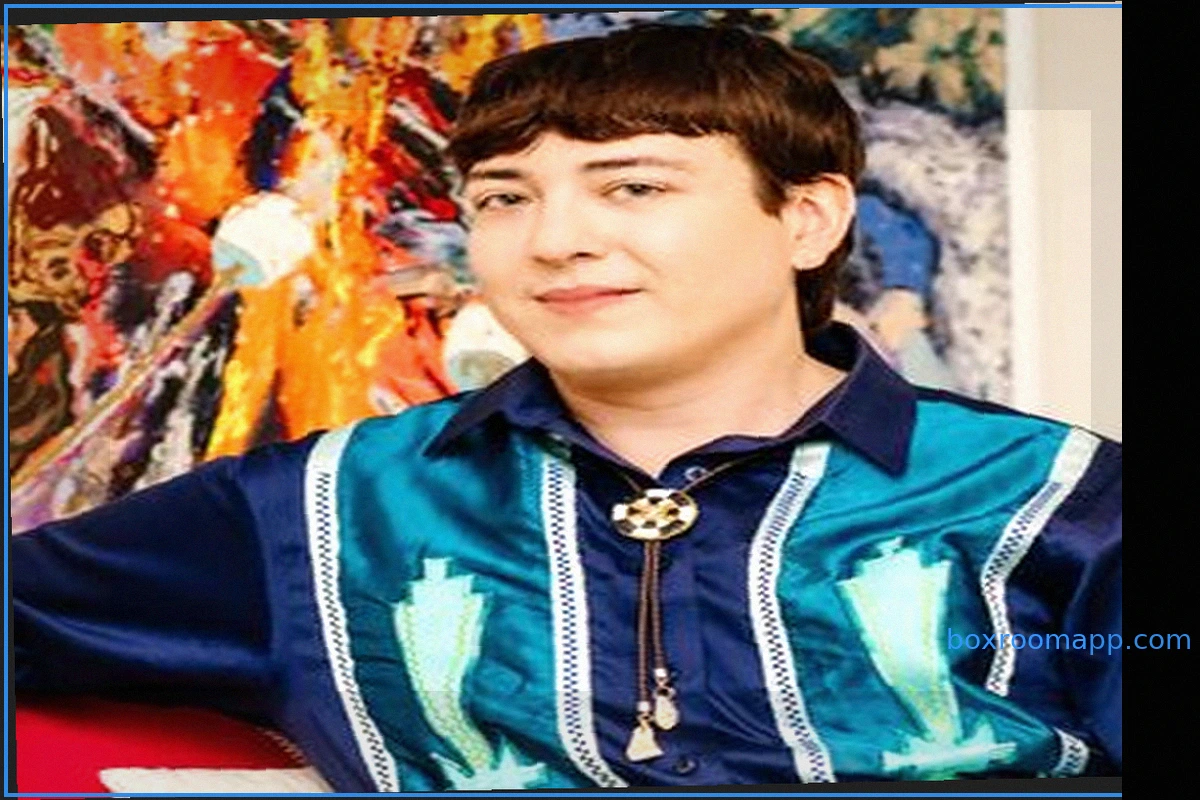
Stars Showcase a Spectrum of Style: From Sleek Minimalism to Theatrical Maximalism
As August draws to a close, many stars are still holding onto the spirit of summer. This week, the fashion landscape was a fascinating blend of opposing styles, with celebrities divided between understated minimalism and bold, theatrical maximalism. On the minimalist side, mod

Chappell Roan Embodies Her Truest Self as Bob-ell Roan
Chappell Roan's go-to makeup artist, Dee Carrion, is responsible for her captivating looks, having also styled fellow performer Doechii. Carrion masterfully applied a soft purple blush, emphasizing Roan's features and deepening towards her spiky-lashed, sharply defined eyes and temples

Claudia Sulewski and Finneas Tie the Knot! A Glimpse Inside the Bride's Oscar de la Renta Final Fitting
The moment has arrived to unveil Claudia's dazzling after-party ensemble, inspired by Oscar de la Renta's vibrant early 2000s collection, famously showcased by models like Gisele Bündchen. "The boat neck felt so fresh and different to the rest of the looks—and we made it pink!" Claudia