Vegetarian Diet for Collagen: Expert Tips and Strategies
Adhering to a vegetarian diet requires careful consideration to ensure adequate nutrient intake. While numerous plant-based protein options exist, sourcing collagen can be a challenge.
Collagen, a crucial protein for bodily structure, is the most abundant protein in our bodies, providing the main structural component for skin, bones, and connective tissues, according to registered dietitian Amy Shapiro.
The complexity for vegetarians arises because collagen is exclusively derived from animal sources. Shapiro notes that collagen is found in the skin, bones, and connective tissues of animals like chicken, pork, fish, and beef, as well as in bone broth. Collagen powders and supplements typically originate from bovine, porcine, or marine sources, as explained by Abigail Collen, an outpatient clinical nutrition coordinator.
So, how can plant-based individuals approach this? Continue reading for expert insights on optimizing your collagen intake.
Is There Such a Thing as Vegetarian Collagen?
The straightforward answer is no. Since collagen is animal-derived, both experts confirm that truly vegetarian collagen options are unavailable. Collen suggests that pescatarians can consider marine collagen, and ovo-vegetarians might find collagen derived from egg membranes, though these may be less common.
Regarding products marketed as "vegan" collagen, Shapiro clarifies that they are not actual collagen but rather combinations of amino acids like glycine, proline, and lysine, along with nutrients such as vitamin C, zinc, and copper that aid the body's natural collagen production. "True collagen cannot be vegan because collagen is, by definition, an animal protein," she states. "It does not occur naturally in any plant."
"We have limited data on whether these products can genuinely replicate the benefits of animal collagen," Collen adds.
Optimizing Collagen for Vegetarians
As direct sources of collagen are not an option for vegetarians, the focus shifts to foods and supplements that promote collagen synthesis. Both Shapiro and Collen recommend the following strategies:
Prioritize Collagen-Supporting Nutrients
Collen believes a well-balanced vegetarian diet should naturally provide sufficient protein and vitamin C, which are essential for collagen production. Shapiro concurs, emphasizing the importance of consuming foods rich in zinc, copper, and amino acids. For those who include eggs in their diet, she points out that egg whites are a good source of proline, a key amino acid in collagen.
Explore Collagen-Boosting Supplements
While research is still developing, Shapiro mentions that plant-based supplements are often formulated with vitamin C, biotin, and amino acids to support the body's collagen production.
Consider Marine Collagen Supplements
As previously mentioned, Collen suggests marine collagen supplements for pescatarians. "There are not many high-quality trials comparing marine collagen to bovine or porcine peptides, but they are structurally similar and should have a comparable effect in the body," she says. "It is also highly bioavailable, like animal collagen sources, meaning the body can absorb it easily, and some research indicates it offers the same benefits."
Fresh materials — Combat Sports News

Stylish New Scottish Highlands Retreat: A Tribute to Nature
The allure of the Scottish Highlands, much like many British traditions, has historical ties to the monarchy. In the harsh winter of 1848, Queen Victoria and Prince Albert, captivated by the "wild loveliness" of Aberdeenshire, secured a lease on Balmoral. This event propelled the remot

Girlhood Flourishes at Olivia Rodrigo's Daisy Chain Festival
Within moments of arriving at Daisy Chain Fields, the festival's spirit was palpable. Thousands of attendees gathered, creating an electrifying atmosphere despite the sweltering heat exceeding 103 degrees. The festival's inherently positive nature, coupled with its charitable m

Roger Federer's Induction into the International Tennis Hall of Fame in Newport
The induction of Roger Federer into the International Tennis Hall of Fame (ITHF) in Newport, Rhode Island, was a highly anticipated event, marked by significant fanfare and emotion. Federer, alongside former professional player and broadcaster Mary Carillo, was recognized for his unpa
Stars Showcase a Spectrum of Style: From Sleek Minimalism to Theatrical Maximalism
As August draws to a close, many stars are still holding onto the spirit of summer. This week, the fashion landscape was a fascinating blend of opposing styles, with celebrities divided between understated minimalism and bold, theatrical maximalism. On the minimalist side, mod
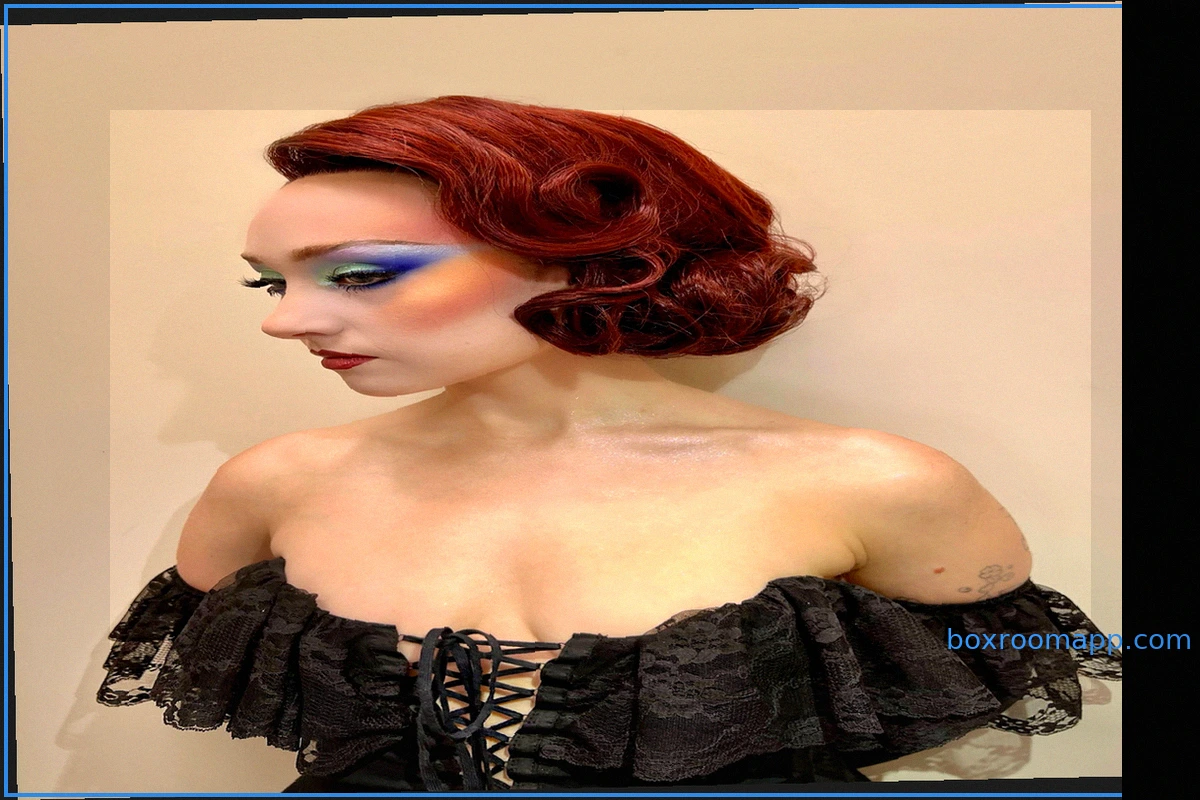
Chappell Roan Embodies Her Truest Self as Bob-ell Roan
Chappell Roan's go-to makeup artist, Dee Carrion, is responsible for her captivating looks, having also styled fellow performer Doechii. Carrion masterfully applied a soft purple blush, emphasizing Roan's features and deepening towards her spiky-lashed, sharply defined eyes and temples

Claudia Sulewski and Finneas Tie the Knot! A Glimpse Inside the Bride's Oscar de la Renta Final Fitting
The moment has arrived to unveil Claudia's dazzling after-party ensemble, inspired by Oscar de la Renta's vibrant early 2000s collection, famously showcased by models like Gisele Bündchen. "The boat neck felt so fresh and different to the rest of the looks—and we made it pink!" Claudia