

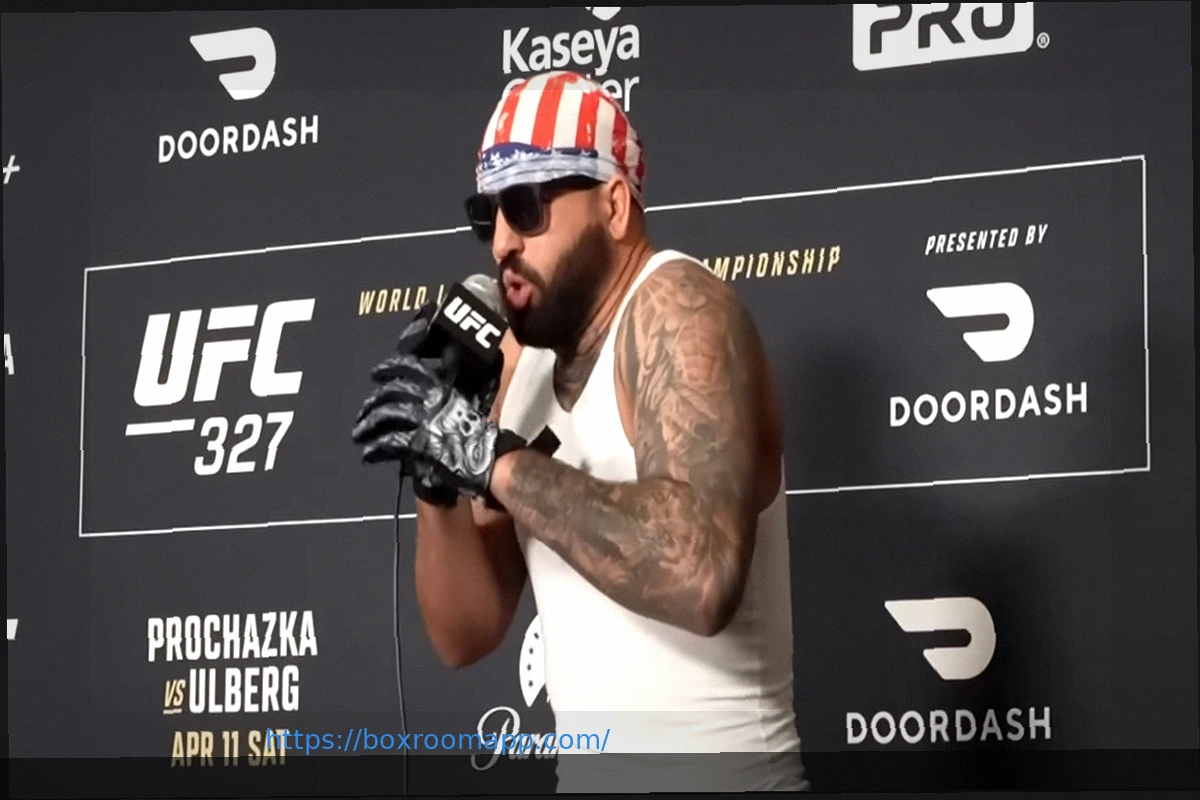
What does Josh Hokit mean for the future of the UFC? The promotion once heavily relied on the star power of fighters like Ronda Rousey, Conor McGregor, Jon Jones, and Anderson Silva, turning elite athletes into mainstream attractions. However, the current landscape appears to have shifted, with the UFC focusing less on building individual stars and more on fighters promoting themselves. This has led to a new era where winning alone is insufficient, prompting fighters to engage in various forms of self-promotion beyond the Octagon.
The Evolving Role of Fighters in Promotion
Modern fighters understand the necessity of building their own audiences. We see this with Arman Tsarukyan appearing on livestreams, Alexander Volkanovski running a successful YouTube channel, and Max Holloway streaming video games. This shift towards self-promotion has also led to more extreme methods. Fighters like Colby Covington and Sean Strickland have garnered significant followings through controversy and outspoken personalities, transforming UFC press conferences into spectacles that often resemble professional wrestling more than traditional sporting events. In this context, Josh Hokit might be emerging as a prime example of a fighter fully embracing this amplified role.
Regardless of individual opinions, Hokit undeniably commands attention whenever he has a microphone. While his trash talk is often divisive, its effectiveness in generating buzz is undeniable. Since joining the UFC, he has consistently maintained a confrontational persona, which he significantly amplified leading up to his fight against Curtis Blaydes in April. Entering fight week with approximately 85,000 Instagram followers, Hokit launched a relentless verbal barrage on his opponent, quickly becoming the focal point of media appearances. The fight itself, an action-packed heavyweight contest, further fueled the momentum. This combination of headline-grabbing pre-fight behavior and a compelling performance helped Hokit gain over 100,000 followers in mere days, showcasing a masterclass in attention-grabbing in an era where self-promotion is paramount.
The success of Hokit’s approach also highlights a broader trend: the increasing predictability of UFC press conferences. The same questions often yield the same rehearsed answers, leaving fans yearning for genuine personality. Fighters like Hokit and Strickland have recognized this demand and are filling that void, even if it means relying on controversy. This raises concerns about the future of the sport. While rivalry and promotion have always been part of mixed martial arts, many fans were initially drawn to the UFC by the competition itself. The greatest stars, such as Jon Jones, primarily rose to prominence through extraordinary in-cage achievements, with their personality serving as a complement rather than the main driver of their fame.
Today, the balance appears to be shifting. Viral catchphrases, heated confrontations, and social media clips can sometimes generate more attention than a fighter’s actual accomplishments. While building one’s brand is a legitimate strategy for athletes, the growing emphasis on controversy risks overshadowing the sport itself. Josh Hokit’s ascent has been remarkable; in less than a year, he has transformed from a relative newcomer into one of the UFC’s most talked-about personalities. Should he secure another decisive victory this weekend, a title opportunity might be within reach, as his success clearly demonstrates the effectiveness of his formula.
The crucial question is whether the UFC should embrace this formula as the new norm. If the promotion aims to cultivate a new generation of superstars whose fame is built on both achievement and personality, it may need to invest more heavily in fighter promotion and compensation. Until then, fighters will likely continue to employ whatever tactics are necessary to stand out, and Josh Hokit may well represent the blueprint for the future.