MAIA Air Sensor Monitoring Air Quality in Addis Ababa
In Addis Ababa, the capital of Ethiopia, NASA's Multi-Angle Imager for Aerosols (MAIA) is utilizing 10 roof-mounted air sensors to investigate the city's air quality. These sensors are specifically designed to provide detailed measurements of particulate matter 2.5 micrometers or less in diameter (PM2.5), a critical component of air pollution recognized as a significant global health risk.
A key focus of the research in Addis Ababa is black carbon, also known as soot. This pollutant is prevalent in the city due to sources such as diesel vehicles, fires, and other combustion processes. The MAIA sensors enable researchers to observe how pollution levels fluctuate throughout the day and across different seasons, capturing increases associated with peak traffic hours and festive events.
The findings from this study have implications for urban areas worldwide, including those in the United States. The 2025 State of Global Air Report highlights the severe impact of PM2.5, estimating that it contributes to approximately 4.9 million premature deaths annually on a global scale. Black carbon, as a specific type of PM2.5, has been linked to serious health issues, including low birth weight, impaired brain development, respiratory illnesses, and increased mortality.
English Translation
In Addis Ababa, the capital of Ethiopia, NASA's Multi-Angle Imager for Aerosols (MAIA) is deploying 10 roof-mounted air sensors to study the city's air quality. These sensors are crucial for providing detailed insights into particulate matter that measures 2.5 micrometers or smaller, a form of air pollution identified as one of the deadliest globally.
Black carbon, or soot, is a significant contributor to particulate pollution in Addis Ababa, originating from sources like diesel vehicles, fires, and other combustion activities. The data gathered by the MAIA air sensors reveal variations in pollution levels based on the time of day and season, including surges related to rush-hour traffic and holiday celebrations. The insights gained are relevant to cities across the globe, including those in the United States.
The 2025 State of Global Air Report, referenced in the study, estimates that these particles, some of which are small enough to enter the bloodstream, are associated with around 4.9 million excess deaths annually worldwide. Among the various types of PM2.5, black carbon has been particularly linked to adverse health effects such as low birth weight, developmental issues in the brain, respiratory conditions, and premature death.
Fresh materials — MMA
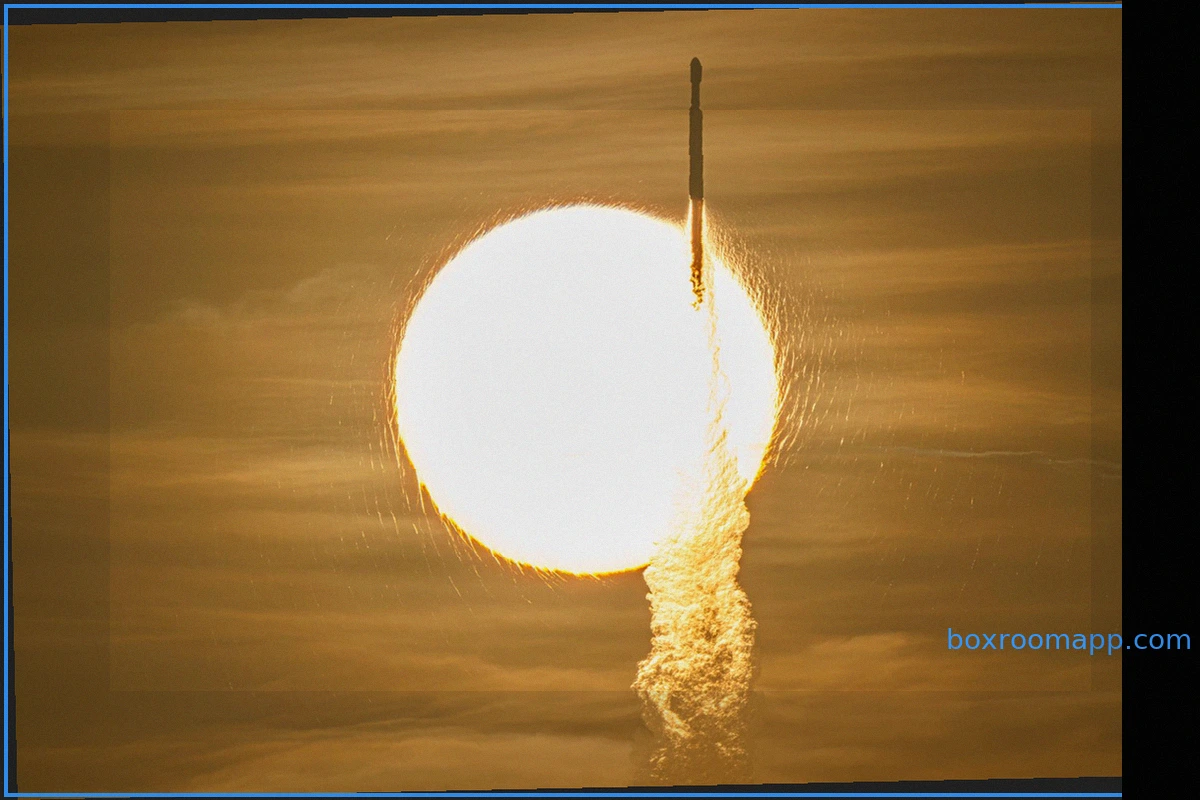
NASA's Nancy Grace Roman Space Telescope Launched to Explore the Dark Universe
NASA's Nancy Grace Roman Space Telescope has embarked on a three-month, million-mile journey to its designated orbit, poised to unlock the universe's most profound mysteries. The mission commenced its voyage on Sunday at 7:26 a.m. EDT, propelled by a SpaceX Falcon Heavy rocket from Launch Comp
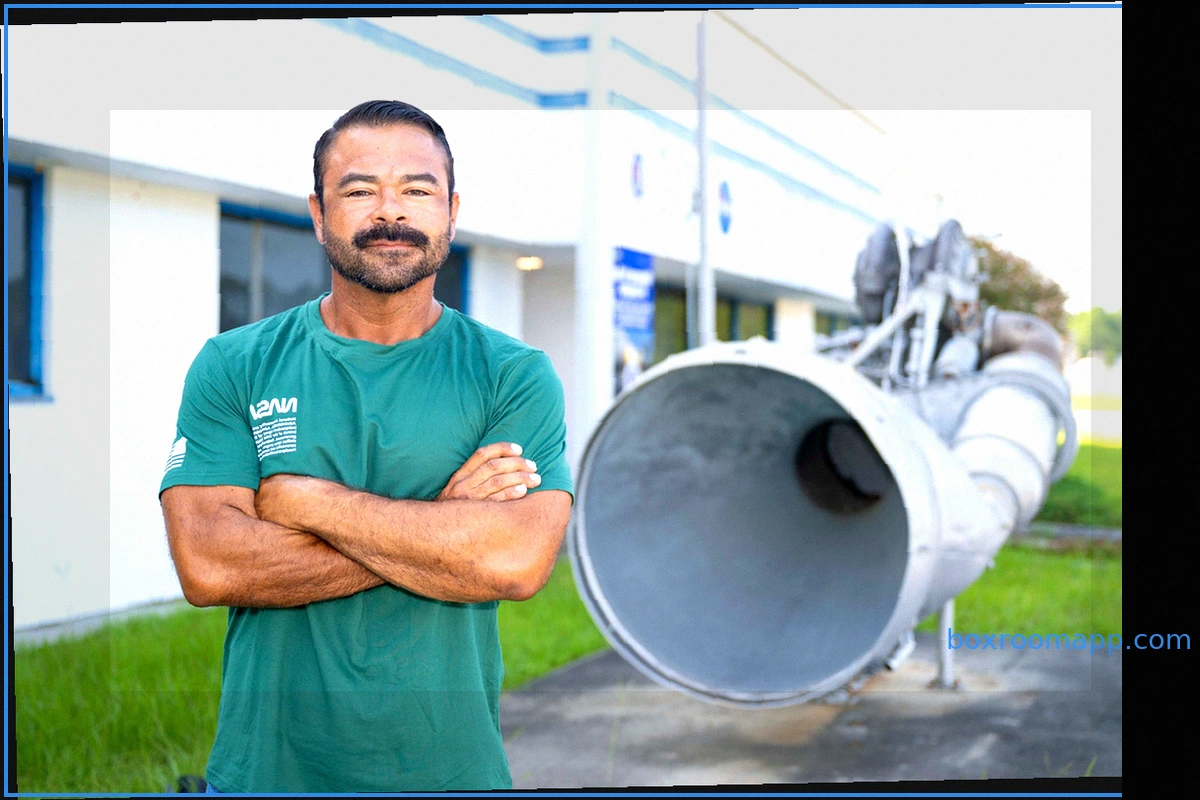
NASA Welcomes Jeret Howard as a Civil Servant
Jeret Howard, a logistics management specialist at NASA’s Stennis Space Center, has transitioned from a long-time contractor to a civil servant. This move signifies a continuation of his commitment to national service, mirroring his early dedication as a U.S. Army combat medic at
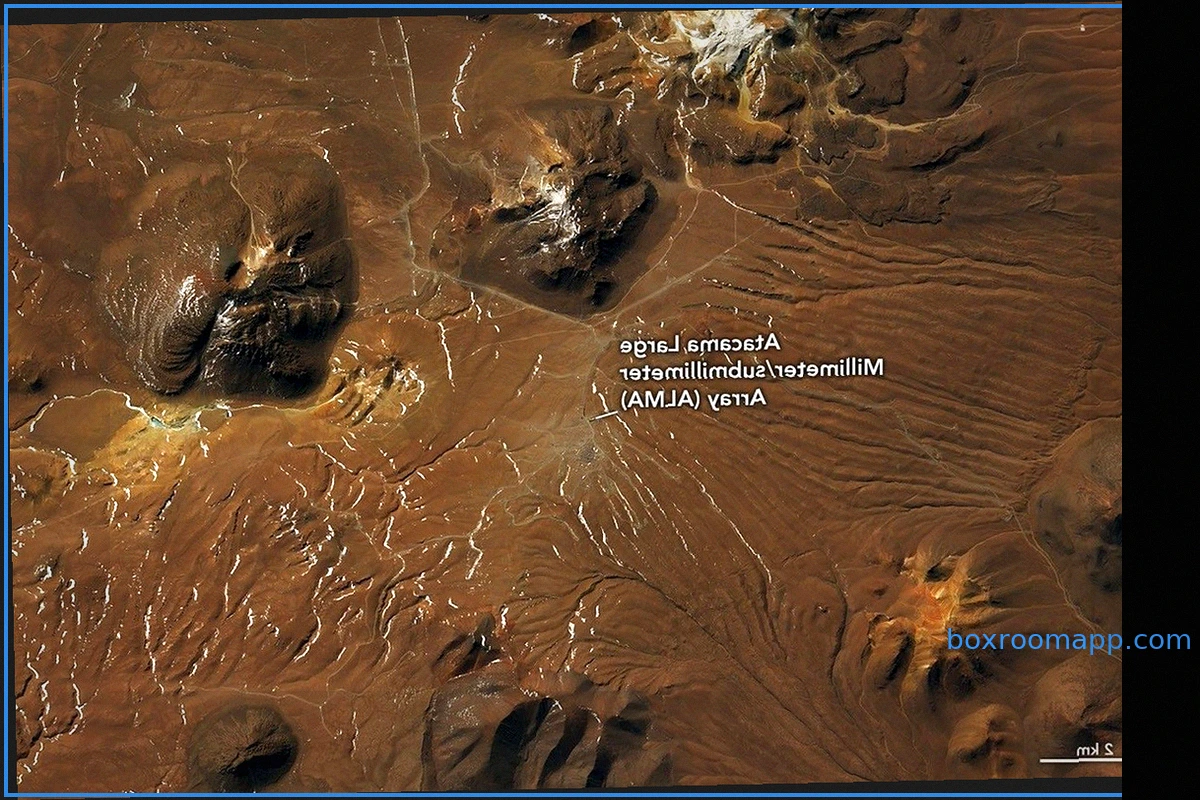
Rare, Widespread Snowfall in the Atacama Desert
In August 2026, consecutive winter storms brought an unusual snow cover to parts of the Atacama Desert in northern Chile. While the region has experienced snowfall before, notably in 2025 and 2011, one of the 2026 events was exceptionally extensive, reaching from the Andes mountains towards th
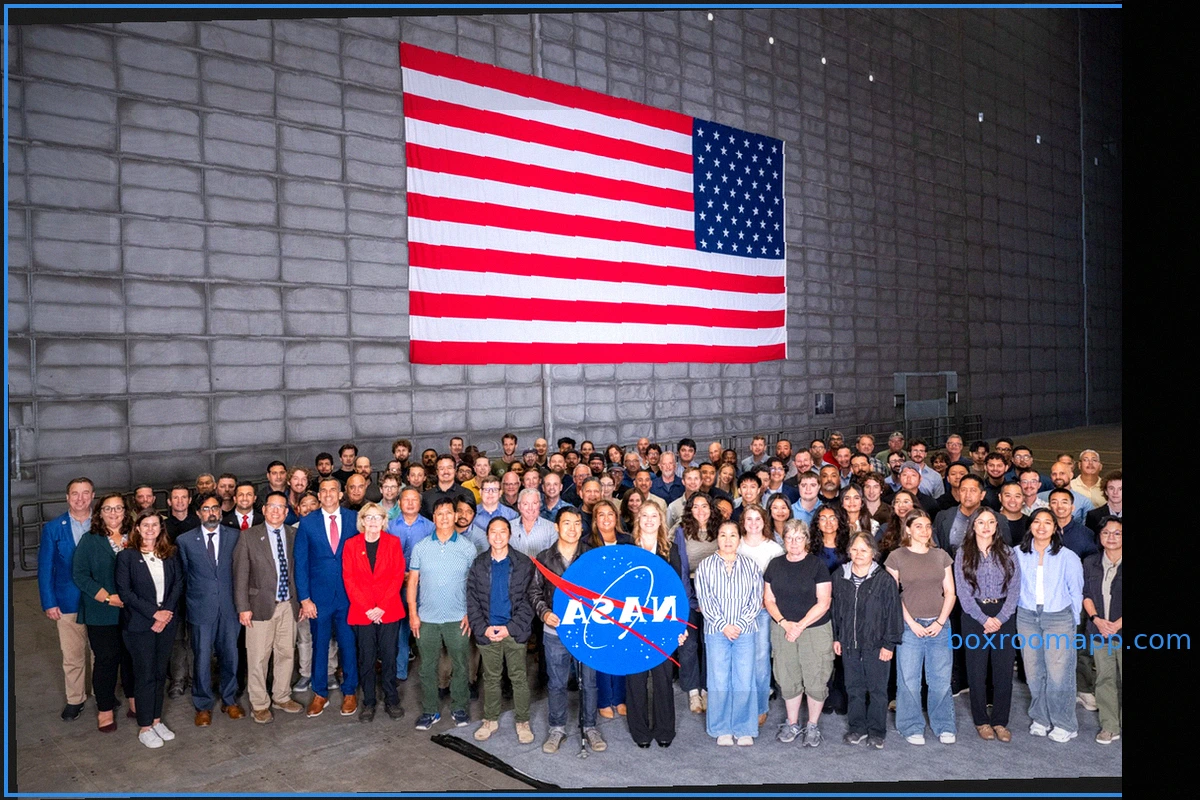
NASA Ames Hosts Largest Civil Servant Swearing-In Ceremony
Brandon Torres Navarrete On August 24, 2026, a significant group of new civil servants and their guests gathered for a
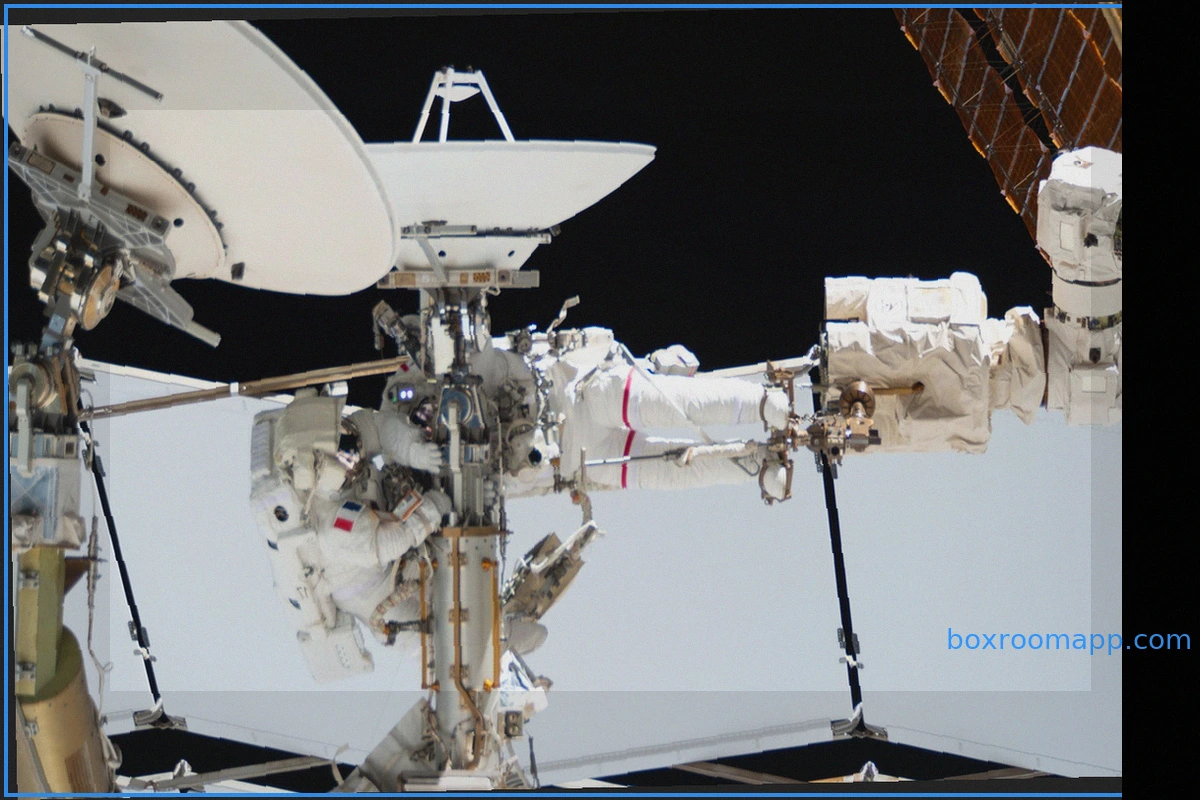
Astronauts Anil Menon and Sophie Adenot on Spacewalk
Astronauts Anil Menon of NASA and Sophie Adenot of the European Space Agency (ESA) participated in a spacewalk on August 18, 2026. The Extravehicular Activity (EVA) lasted six hours and 23 minutes and took place outside the International Space Station (ISS). During this spacewalk, the two f
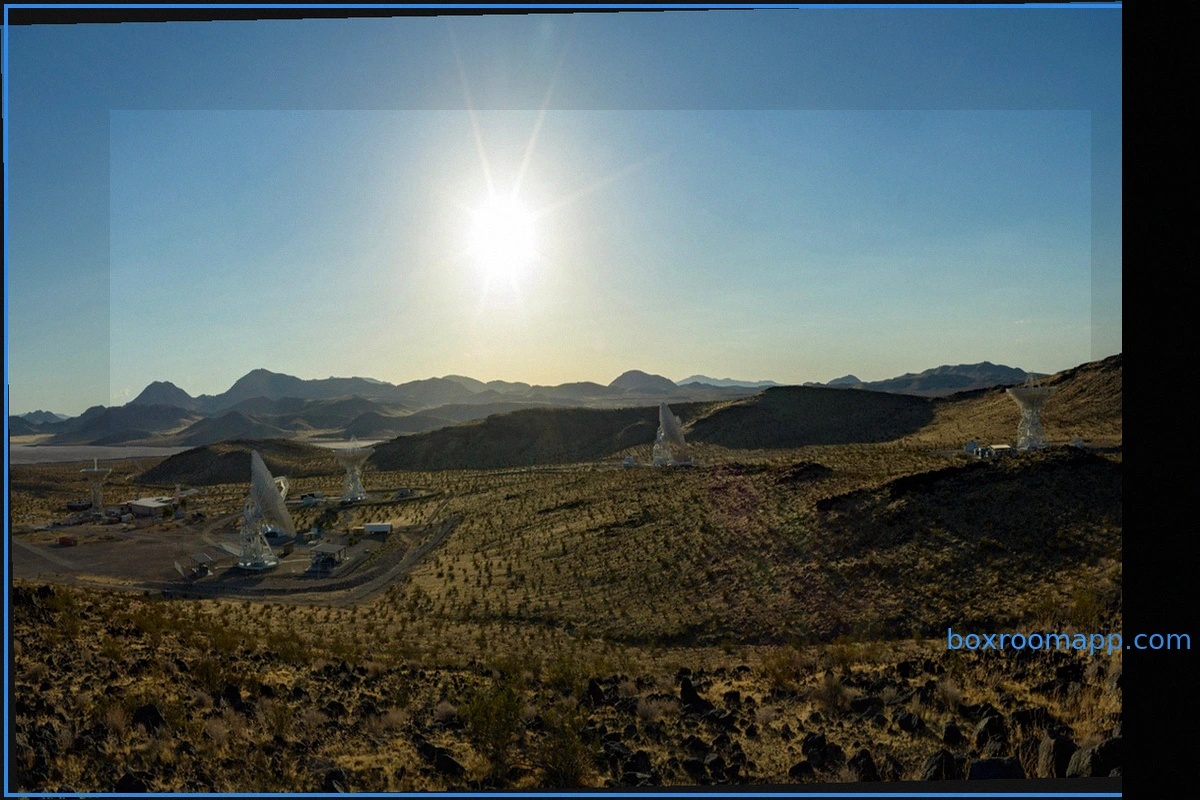
New Next-Gen Dish Strengthens NASA's Deep Space Network
NASA's Deep Space Network (DSN) facility in California has welcomed a significant upgrade with the addition of a new 34-meter (114-foot) radio frequency antenna. This advanced dish is now a vital part of the agency's system for deep space communications and navigation, which utilizes large ant