NASA Roman Telescope Launch Coverage from Florida
NASA has finalized its coverage plans for the pre-launch and launch activities of the Nancy Grace Roman Space Telescope. This advanced observatory is designed to unravel some of the universe's most profound mysteries, including the nature of dark energy.
The launch of the Roman telescope by NASA and SpaceX is tentatively scheduled for Sunday, August 30th, at 7:26 a.m. Eastern Daylight Time. It will lift off aboard a SpaceX Falcon Heavy rocket from Launch Complex 39A at NASA's Kennedy Space Center in Florida. Coverage of the launch will commence at 6:20 a.m.
Live broadcasts of these events will be available across multiple platforms. You can watch online at:
Named in honor of NASA's first chief astronomer, the Nancy Grace Roman Space Telescope will feature exceptional infrared vision and a field of view significantly larger than that of the Hubble Space Telescope. Its comprehensive surveys will empower scientists to study dark energy and dark matter, identify and characterize exoplanets, map vast numbers of galaxies, investigate black holes, and explore celestial objects from our solar system to the edges of the observable universe.
Following its launch and separation from the rocket, the Roman telescope will journey to the second Sun-Earth Lagrange point (L2), approximately one million miles from Earth. The mission is planned for an initial five-year operational period, with a goal of extending its service life to ten years. All scientific data collected by Roman will be made publicly accessible after processing.
NASA's mission coverage schedule is as follows (all times are Eastern and subject to change):
Saturday, August 29
9 a.m.: NASA's Roman Space Telescope Mission Science Briefing
10:30 a.m.: NASA's Roman Space Telescope Prelaunch News Conference
11:45 a.m.: NASA Administrator Jared Isaacman is expected to perform a jet flyby of the Nancy Grace Roman Space Telescope and the Falcon Heavy rocket on the launchpad. This flyby will be broadcast live.
12 p.m.: In-person interviews will be conducted at the NASA Kennedy Press News Center.
Sunday, August 30
6:20 a.m.: Launch coverage begins.
7:26 a.m.: Launch
9:30 a.m.: Post-launch news conference.
Audio-only coverage
Audio-only coverage of the launch will be available on the NASA “V” circuits by dialing 321-867-1220 or 321-867-1240. On launch day, mission audio countdown activities without NASA broadcast commentary will be on 321-867-7135.
Launch audio will also be accessible via Launch Information Service and Amateur Television System's VHF radio frequency 146.940 MHz and KSC Amateur Radio Club's UHF radio frequency 444.925 MHz, FM mode, within Brevard County on the Space Coast.
NASA Website Launch Coverage
Launch day coverage, including a livestream and blog updates, will be available on the NASA website. On-demand streaming video and launch photos will be accessible shortly after liftoff. Follow mission updates on the Roman launch blog.
Attend Launch Virtually
Public members can register for a virtual attendance of the Roman launch. NASA's Virtual Guest Program provides curated launch resources, notifications about related opportunities or schedule changes, and a virtual guest passport stamp after launch.
Watch and Engage on Social Media
Join the conversation on X, Facebook, and Instagram by following and tagging these accounts:
- X: @NASARoman, @NASAUniverse, @NASAKennedy
- Facebook: @NASARoman, @NASAGoddard, @NASAKennedy
- Instagram: @NASAGoddard, @NASAUniverse, @NASAKennedy
The Roman telescope is managed by NASA Goddard, with contributions from the Jet Propulsion Laboratory in Southern California, Caltech/IPAC in Pasadena, California, the Space Telescope Science Institute in Baltimore, and a global consortium of scientists. Key industrial partners include BAE Systems Inc., L3Harris Technologies, and Teledyne Scientific & Imaging. The mission also benefits from collaborations with ESA (European Space Agency), JAXA (Japan Aerospace Exploration Agency), CNES (French space agency), and the Max Planck Institute for Astronomy in Germany. NASA's Launch Services Program at Kennedy manages the launch service for the Roman mission.
For more information about NASA's Roman telescope, visit:
Fresh materials — MMA
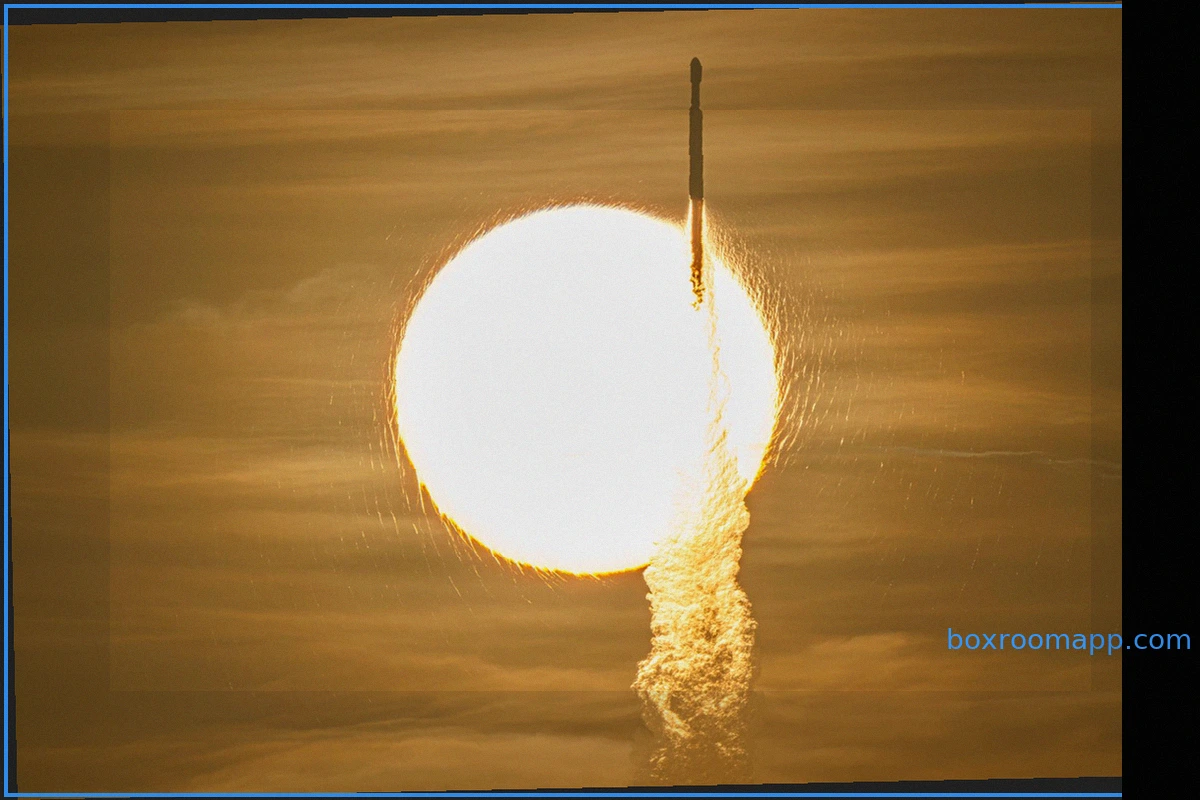
NASA's Nancy Grace Roman Space Telescope Launched to Explore the Dark Universe
NASA's Nancy Grace Roman Space Telescope has embarked on a three-month, million-mile journey to its designated orbit, poised to unlock the universe's most profound mysteries. The mission commenced its voyage on Sunday at 7:26 a.m. EDT, propelled by a SpaceX Falcon Heavy rocket from Launch Comp
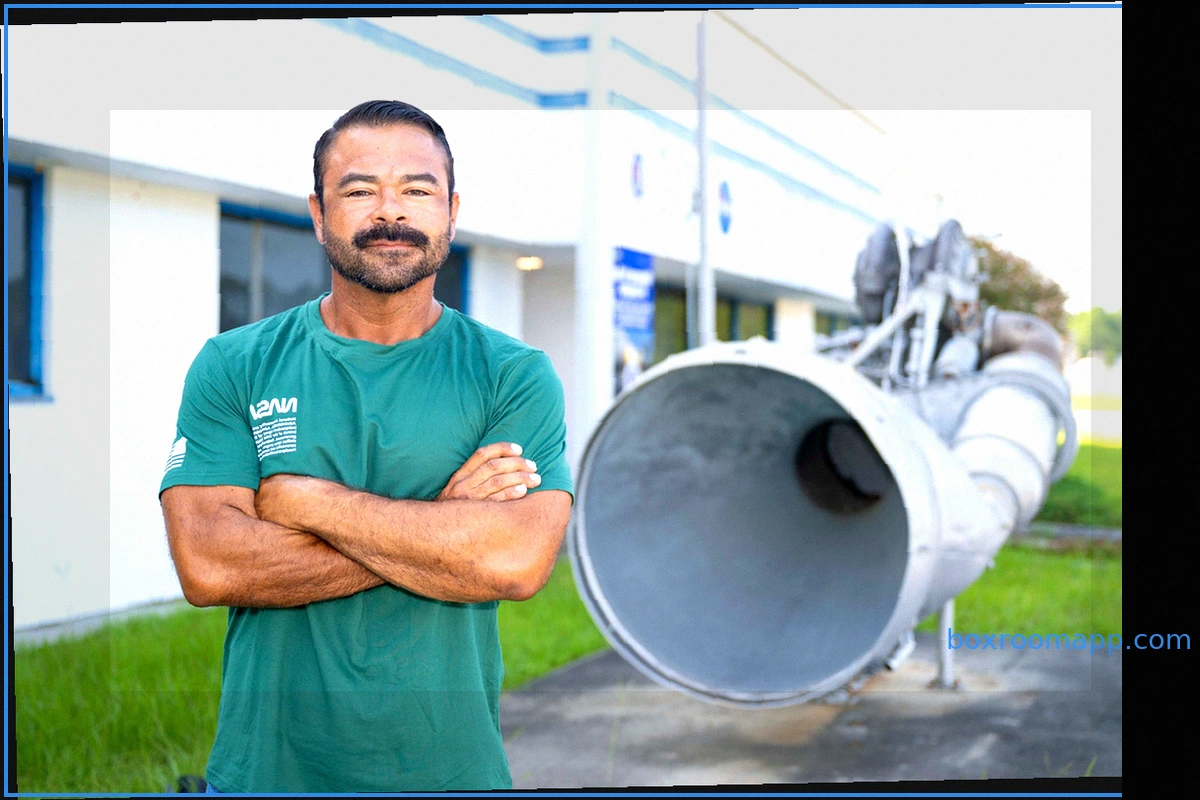
NASA Welcomes Jeret Howard as a Civil Servant
Jeret Howard, a logistics management specialist at NASA’s Stennis Space Center, has transitioned from a long-time contractor to a civil servant. This move signifies a continuation of his commitment to national service, mirroring his early dedication as a U.S. Army combat medic at
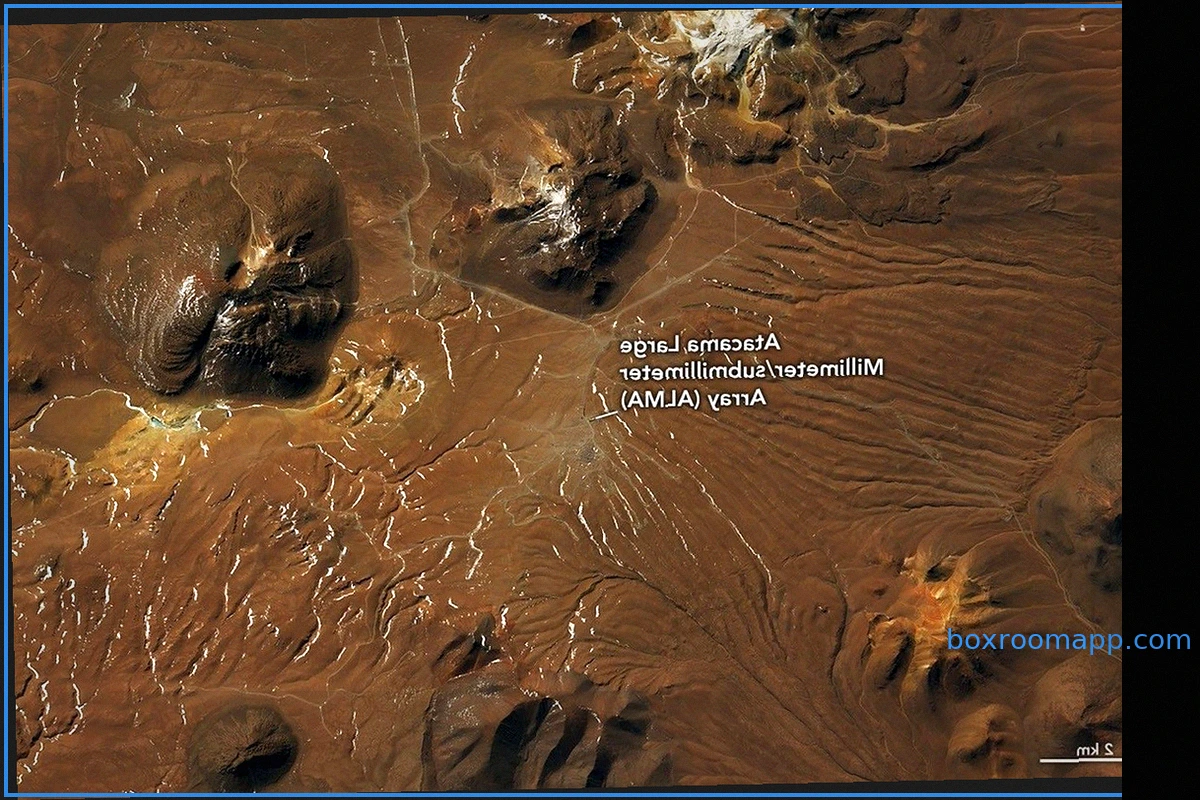
Rare, Widespread Snowfall in the Atacama Desert
In August 2026, consecutive winter storms brought an unusual snow cover to parts of the Atacama Desert in northern Chile. While the region has experienced snowfall before, notably in 2025 and 2011, one of the 2026 events was exceptionally extensive, reaching from the Andes mountains towards th
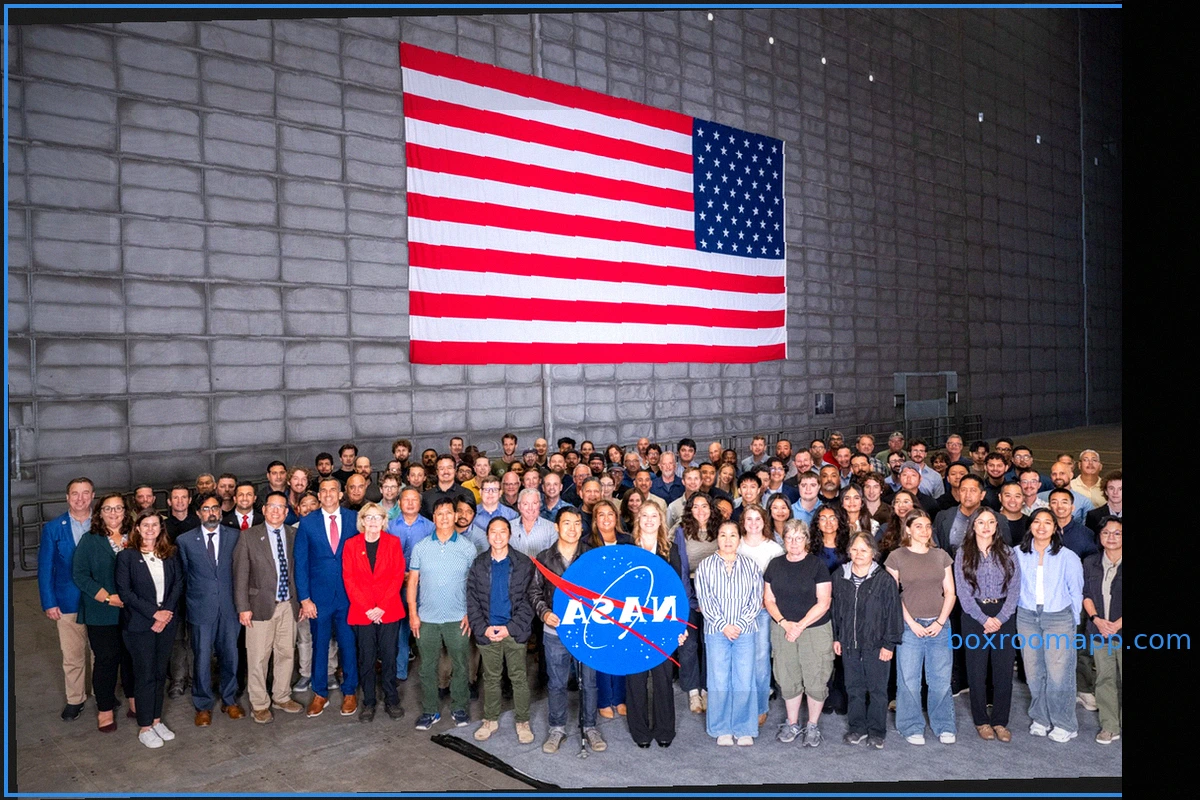
NASA Ames Hosts Largest Civil Servant Swearing-In Ceremony
Brandon Torres Navarrete On August 24, 2026, a significant group of new civil servants and their guests gathered for a
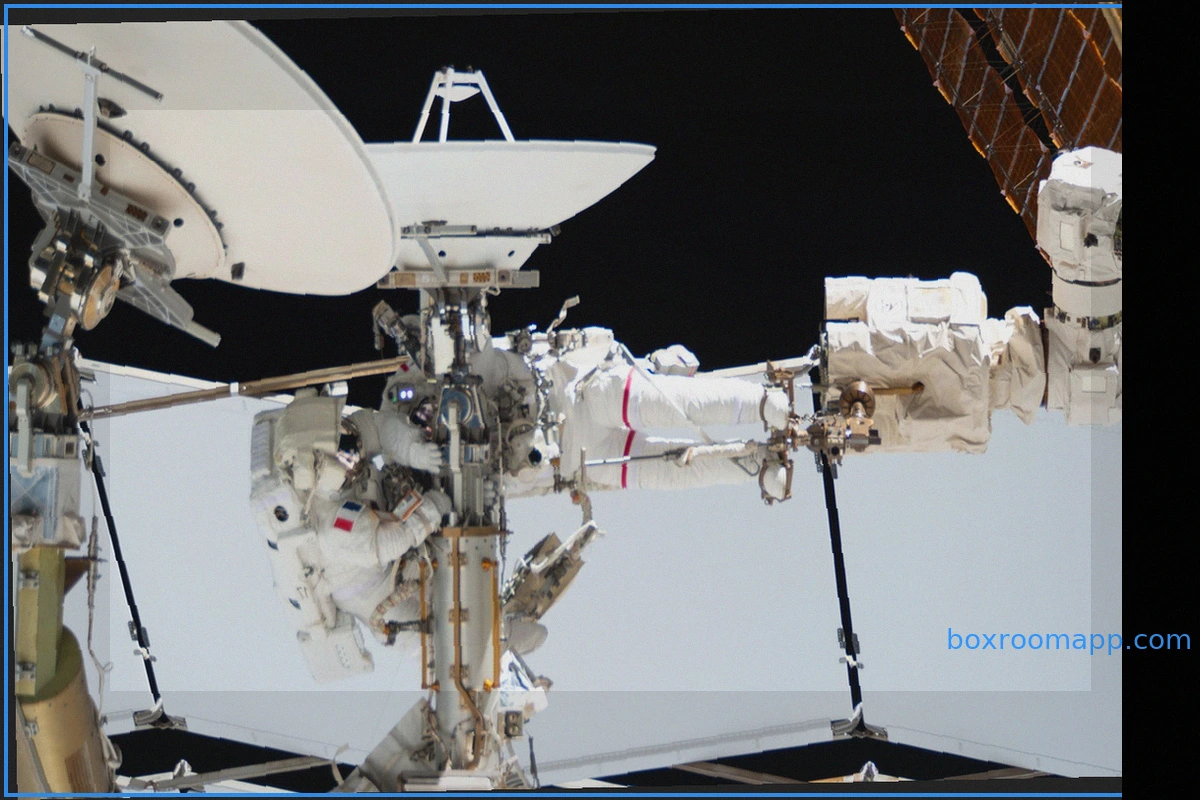
Astronauts Anil Menon and Sophie Adenot on Spacewalk
Astronauts Anil Menon of NASA and Sophie Adenot of the European Space Agency (ESA) participated in a spacewalk on August 18, 2026. The Extravehicular Activity (EVA) lasted six hours and 23 minutes and took place outside the International Space Station (ISS). During this spacewalk, the two f
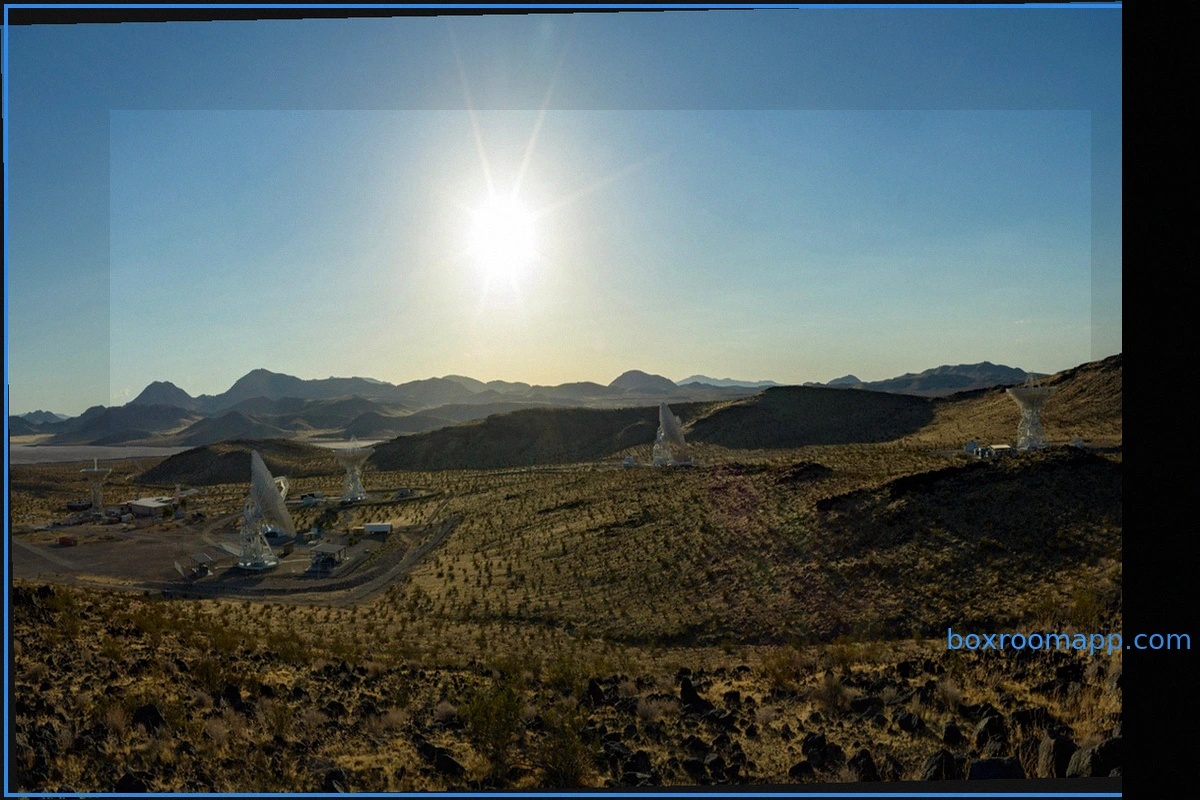
New Next-Gen Dish Strengthens NASA's Deep Space Network
NASA's Deep Space Network (DSN) facility in California has welcomed a significant upgrade with the addition of a new 34-meter (114-foot) radio frequency antenna. This advanced dish is now a vital part of the agency's system for deep space communications and navigation, which utilizes large ant